
Last updated October 17, 2026
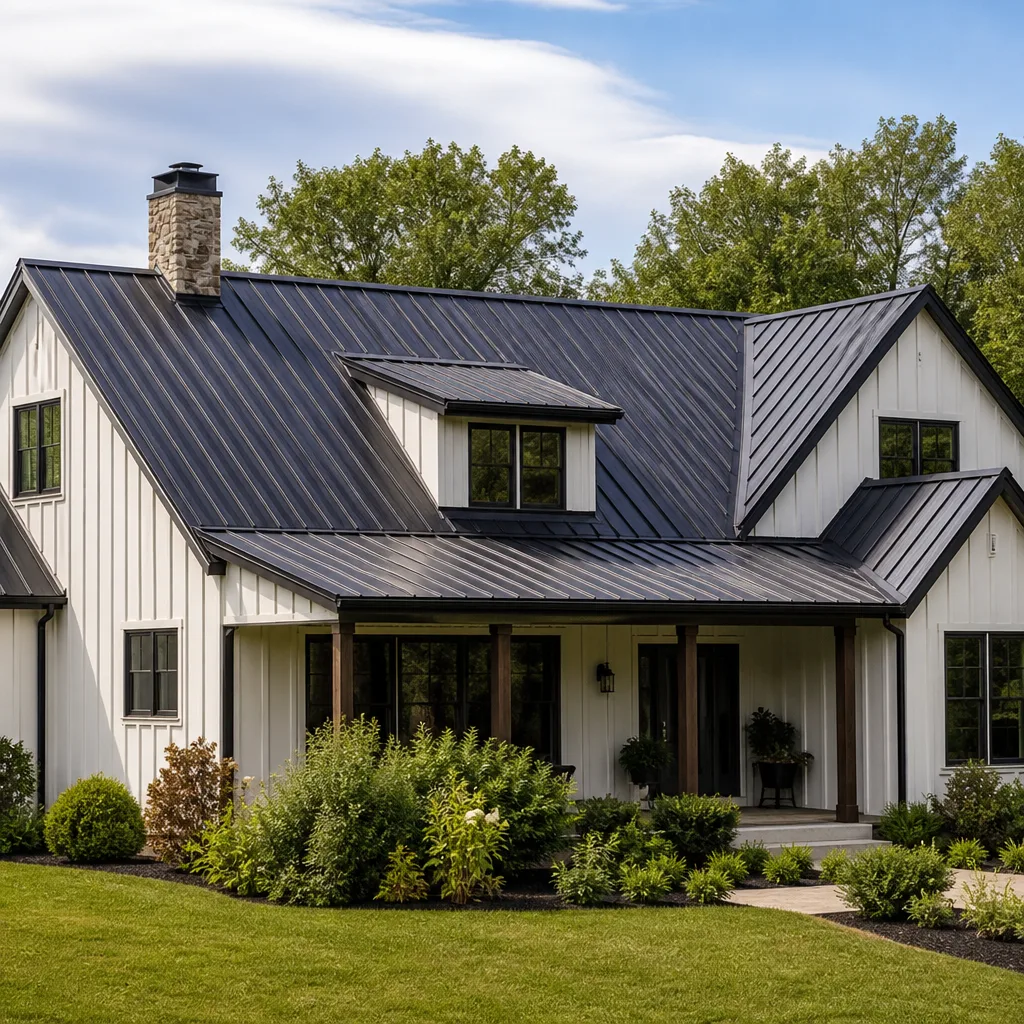 Metal roofing
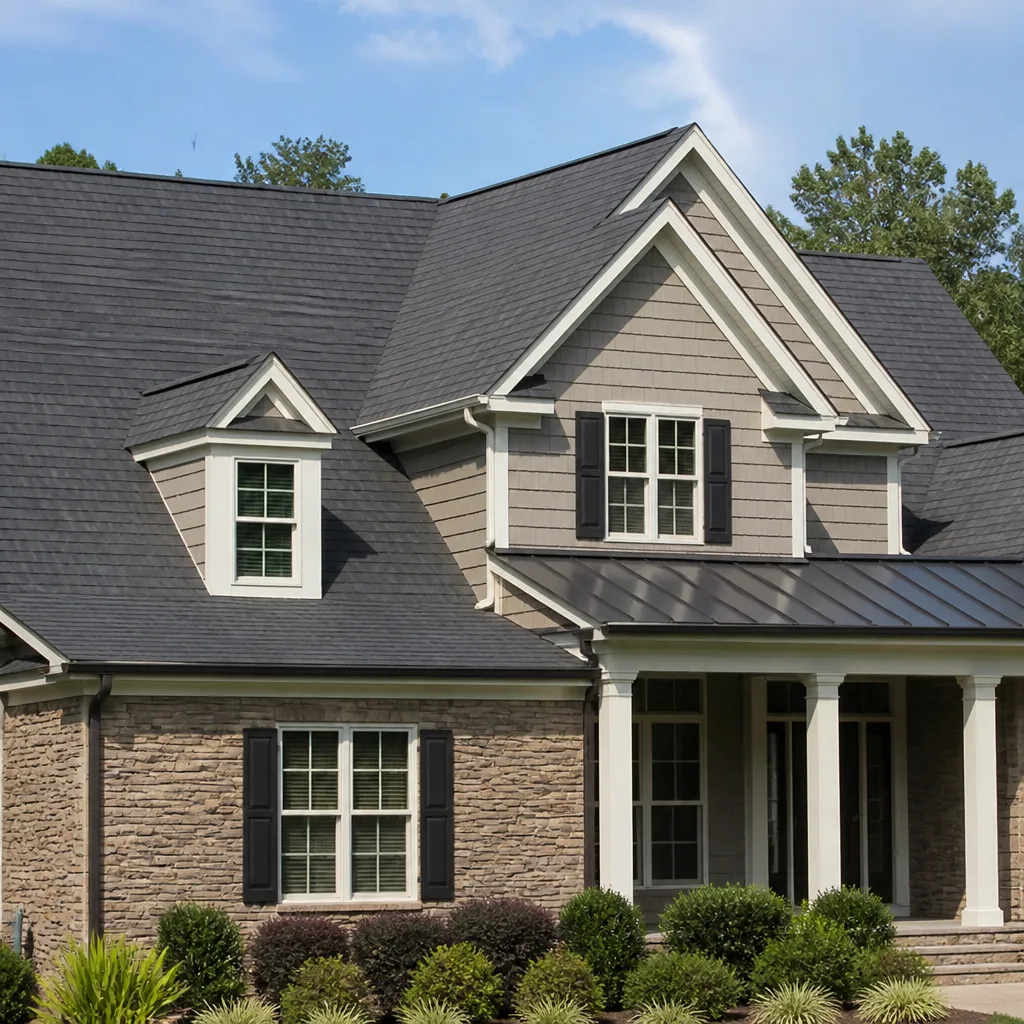 Architectural shingles
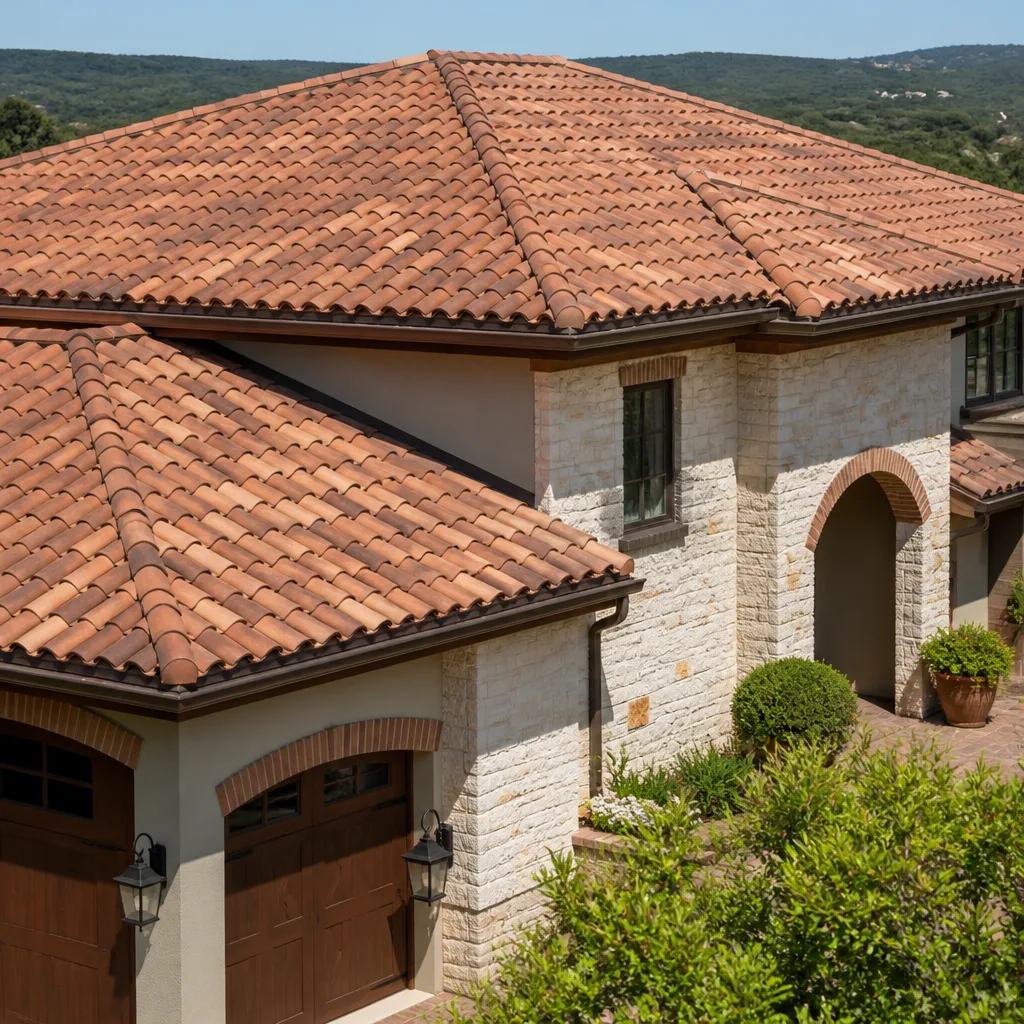 Tile roofing
 GAF
GAF Owens Corning
 Flat & low-slope
Free roof inspection with deck photos before we talk money - GAF and Owens Corning certified installation
Roofing Permits, Codes & Inspections in CA: What You Need to Know
A Ventura homeowner we recently met sold their house, only to have escrow delayed three weeks because a re-roof done five years earlier was never permitted. The contractor was long gone. The homeowner paid a second time to have the city inspect and retroactively approve work they’d already paid for once. That is the hidden cost of treating permits as optional. This guide-along with The Complete Guide to Roofing in Ventura-covers exactly when a California roofing project needs a permit, what Ventura’s building department actually checks, how Title 24 cool-roof rules affect your material choices, and what unpermitted work does to an insurance claim. By the end, you’ll know more about roofing permits than most contractors will tell you.
Quick Answer
Most full roof replacements in California require a building permit, while minor repairs covering less than 10% of the roof area typically qualify as exempt “like-for-like” maintenance. The permit triggers city inspections of the underlayment, nailing pattern, flashing, and final roof surface, and in Ventura, it also triggers Title 24 cool-roof compliance. Skipping the permit saves a few hundred dollars now and risks insurance claim denial, sale delays, and fines later.
Styles & brands we work with
Table of Contents
- When a California Roofing Project Requires a Permit
- How the City of Ventura and Ventura County Permit Process Works
- Title 24 Cool-Roof Rules in Ventura: What Zone 6 Means for Your Shingle Color
- What the Inspector Actually Checks: Ventura Roof Inspection Points
- Unpermitted Work and Insurance Claims: The Risk Nobody Explains
- What to Do When a Contractor Suggests Skipping the Permit
- The Final Sign-Off: Why You Need It Before You Pay
- What Roofing Permits Cost in Ventura
When a California Roofing Project Requires a Permit
California building code (Title 24, Part 2, the California Residential Code) says a permit is required when you remove and replace the roof covering on more than 10% of the roof area. That number matters because it is the line between “repair” and “re-roof” in the code’s eyes. A repair under 10% of the total roof surface, using the same material type and weight, is classified as routine maintenance and does not need a permit in most California jurisdictions, including Ventura. Cross that line, and you are doing a re-roof, which requires a permit, plan review, and inspections.
Here is the practical version. If your home has a 2,000-square-foot roof and you replace a 150-square-foot section after a wind event, you are at 7.5%, under the line, no permit needed. If you replace 300 square feet, you are at 15%, over the line. A permit is required. If you change materials, say you switch from wood shake to asphalt shingles or from composition shingles to tile, the material change itself triggers a permit regardless of square footage, because the roof structure must be verified to carry the new load. A roof designed for lightweight composition shingles may not be engineered for concrete tile, which can weigh three to four times as much.
Our team at Crestview Roofing Co Ventura home sees the material-change trigger trip up homeowners constantly. They think because they are not changing the roofline, they are not changing the structure. But rafter spacing, sheathing thickness, and ridge beam sizing all enter the equation when the roofing material changes weight class. The building official in Ventura will ask for load calculations on a tile conversion. If the original plans do not exist, that means a structural engineer’s letter, which is an extra step and an extra cost.
Other triggers that require a permit in Ventura: adding or significantly altering roof penetrations like skylights or solar mounts, changing the roof pitch, replacing roof sheathing in a way that involves structural fastening changes, and any work that touches the roof’s structural framing. Replacing damaged sheathing as part of a re-roof is covered under the re-roof permit. Replacing a rotted ridge board is not; that is structural work and needs its own scope in the permit application.
How the City of Ventura and Ventura County Permit Process Works
Ventura has its own building department, separate from Ventura County, and both operate online permitting portals. For a homeowner inside Ventura city limits, the process starts at the City of Ventura’s Building and Safety Division. For unincorporated areas like Oak View, Casitas Springs, or La Conchita, you go through Ventura County’s Building and Safety. The portals are different, the fee schedules are different, and the turnaround times are different. That distinction matters because contractors who work across both jurisdictions sometimes quote city pricing for county projects or vice versa.
A standard residential re-roof permit in Ventura follows this sequence:
- Application: The contractor or homeowner files online with roof square footage, existing material, proposed material, and a simple roof plan. Most re-roofs do not require architect-stamped drawings, but tile and structural changes do.
- Plan review: For a straightforward comp-to-comp re-roof, plan review is usually same-day or next-day. For material changes, load calcs, or anything structural, plan review can take two to three weeks.
- Permit issuance: Once approved, the permit is issued and fees are paid. The permit card must be posted at the job site for every inspection.
- Inspections: A Ventura re-roof typically requires two inspections: one at underlayment (or “in-progress”) and one at final. Some jobs get a third if the inspector wants to see nailing before underlayment goes down.
- Final sign-off: The inspector signs the permit card. The final inspection result is recorded in the city’s system, and the homeowner can download a copy.
Typical turnaround for a simple re-roof permit in the City of Ventura is 3 to 7 business days from application to issuance. County permits in the unincorporated areas run about the same, though seasonal rushes in late summer can stretch that to two weeks. In our experience pulling permits across Ventura, the biggest delay is incomplete applications: a contractor who guesses the square footage instead of measuring gets bounced back for correction, and the clock restarts.
Homeowners doing the work themselves can pull their own permit as an owner-builder, but the City of Ventura requires the homeowner to sign an owner-builder declaration acknowledging they are responsible for code compliance and worker safety. That form is not a formality; it carries legal liability. If the work fails, you carry the risk, not a licensed contractor’s insurance.
Title 24 Cool-Roof Rules in Ventura: What Zone 6 Means for Your Shingle Color
California’s Title 24, Part 6 energy code says that when you re-roof a residential building, the replacement roof covering in climate zones 10 through 15 must meet cool-roof standards: a minimum three-year aged solar reflectance of 0.20 and thermal emittance of 0.75, or a minimum Solar Reflectance Index (SRI) of 16. Ventura sits in California climate zone 6, which is the coastal zone. Zone 6 is not in the mandatory cool-roof list. That means a Ventura homeowner doing a straight comp-shingle re-roof is generally not required to install a cool-roof-rated product.
But there is a catch, and it trips up a lot of Ventura homeowners: many of the shingle options that meet code elsewhere do not carry a Ventura problem. The issue is not energy code, it is product labeling. If a Ventura homeowner wants a darker shingle, the energy code does not stop them. What stops them is the re-roof permit’s plan review when the building department applies its own local interpretation. In practice, the City of Ventura looks for CRRC (Cool Roof Rating Council) listed products when a cool roof is triggered, but for zone 6, the trigger usually is not pulled for standard asphalt shingle re-roofs. Tile and metal roofs have their own profiles.
Here is what actually matters for Ventura homeowners. The brands we install most often, including Owens Corning and IKO, maintain CRRC-rated product lines. If you are in a Ventura neighborhood near the foothills where wildfire exposure is a consideration, the material conversation shifts: Class A fire-rated assemblies become the standard. Atlas and Tamko both make Class A fire-rated shingle lines that carry CRRC ratings for the lighter colorways. The point is not to memorize product codes. The point is to verify that whatever shingle your contractor proposes is either CRRC-listed for cool-roof compliance (if triggered) or Class A fire-rated (which is code for Ventura’s wildland-urban interface zones).
When we replace a roof in Ventura, we confirm the CRRC product ID before the material order goes in. It is a small step that prevents a stop-work order at underlayment inspection when the inspector checks the shingle wrapper against the approved permit. That inspection check happens more often than homeowners expect, and it is one of the reasons we document material labels with photos on every job; it is part of how we give homeowners visibility into what is actually going on their roof, not just what a contract says.
What the Inspector Actually Checks: Ventura Roof Inspection Points
A Ventura roof inspection is not a formality. The inspector is looking at specific code requirements, and knowing them before the inspection prevents re-inspection fees and schedule delays. Here is what the inspector checks at each stage.
Underlayment inspection (in-progress): The inspector arrives after the old roof is torn off and the new underlayment is installed, before shingles go down. Checks include: underlayment type (ASTM D226, D4869, or synthetic per the approved permit), fastening pattern, valley lining, drip edge installation at eaves and rakes, and flashing at penetrations, meaning the metal strips that seal joints around chimneys, vents, and skylights. In Ventura’s coastal zones, the inspector also checks for corrosion-resistant fasteners, because salt air eats standard fasteners within a few years.
Nailing pattern (if called): If the inspector calls for a nailing check, they verify that shingles are nailed with the correct number of nails, typically four or six per shingle depending on the wind zone, at the correct placement per the manufacturer’s installation instructions. Ventura’s coastal exposure in neighborhoods like Pierpont and Hollywood Beach pushes wind uplift requirements higher, and the inspector knows it.
Final inspection: The inspector checks the finished roof surface, verifies the shingle or tile matches the approved permit, confirms ridge cap installation, checks attic ventilation, and verifies that no debris or old material is left in gutters or on the property. The inspector also confirms the permit card is posted and signed by the responsible parties.
Common failure points we see in Ventura: missing drip edge at the rake, underlayment not lapped correctly at the eave, valley metal installed without the required underlayment beneath it, and ventilation not balanced. A roof with ridge vents but no intake vents fails. The inspector will write it up, and the contractor must fix it and schedule a re-inspection, which costs time and money. A re-inspection fee in Ventura runs around $150 to $200, and it is nearly always avoidable.
Unpermitted Work and Insurance Claims: The Risk Nobody Explains
Insurance policies in California generally require that work done to a home be permitted and inspected when a permit is legally required. When you file a roof claim after storm damage, the adjuster will ask for the permit history. If the roof was replaced without a permit, the carrier has two levers to pull: deny the claim outright based on a policy exclusion for unpermitted work, or reduce the payout by the cost to bring the work up to code. Both hurt. We have seen Ventura homeowners lose tens of thousands of dollars on a claim because a previous owner did an unpermitted re-roof and the new owner did not know it until the adjuster pulled the city records.
The same problem surfaces at resale. California law requires sellers to disclose unpermitted work, and buyers’ inspectors routinely pull permit history from the city. A roof replaced without a permit becomes a negotiation point, a price reduction, or a deal killer. The escrow delay story from the opening of this guide is not rare. It is a pattern. When we do a roof replacement in Ventura for a client preparing to sell, we pull the permit, pass every inspection, and provide the final sign-off with the invoice. The sign-off is the document that keeps escrow moving.
There is also the safety and quality angle. A permit means a second set of eyes, an inspector who is not being paid by the contractor, verifying that the roof meets minimum code. Code is the floor, not the ceiling, but it is the floor that insurance and lenders and buyers rely on. Unpermitted work is not automatically bad work. But when the roof fails and there is no permit, the homeowner carries the entire cost of failure alone. When the roof fails and there is a permit, the inspector’s sign-off becomes evidence in the homeowner’s favor, and the contractor’s license bond may come into play.
What to Do When a Contractor Suggests Skipping the Permit
Some contractors in Ventura offer to skip the permit to save the homeowner the permit fee and speed up the job. The pitch sounds reasonable: “You’ll save $400 and we can start next week instead of waiting for the city.” Here is what that pitch actually costs.
- The permit fee is not a savings. It is a few hundred dollars. Unpermitted work can cost you the full replacement cost of the roof if an insurance claim is denied or if the city requires retroactive permitting and repair of code violations found during the retroactive inspection.
- Retroactive permitting is more expensive. The City of Ventura charges double fees for work done without a permit in many cases, and the inspector will be more detailed in the review because they are looking for what was hidden. If the work fails inspection, the contractor is gone, and you pay to fix it.
- You are accepting legal liability. If a worker is injured on an unpermitted job, the homeowner can be pulled into the liability claim. Permitted work by a licensed contractor keeps the contractor’s workers’ compensation insurance as the primary coverage.
- You lose the leverage of the final inspection. The city’s sign-off is your proof the work was done to code. Without it, every future buyer, insurer, and inspector will treat the roof as suspect until proven otherwise.
Our position at Roof Replacement in Ventura is simple: we pull the permit on every job that requires one, we show you the permit application, we post the permit card, and we provide the inspection results with your invoice. There is no situation where skipping the permit benefits the homeowner. A contractor who suggests it is either unlicensed, trying to hide substandard work, or both.
The Final Sign-Off: Why You Need It Before You Pay
The final inspection sign-off is the single most important document in your roofing project, and most homeowners never ask for it. The sign-off is the building department’s official record that the roof passed inspection. It is what insurers, buyers, and lenders ask for. Without it, your permitted roof is a loose end.
Here is the sequence we recommend for every Ventura homeowner:
- Do not pay the final invoice until the final inspection has passed and you have a copy of the sign-off. Once the contractor is paid in full, their incentive to return for a re-inspection drops sharply.
- Ask for the sign-off in writing. The City of Ventura and Ventura County both maintain online permit records that the homeowner can access with the permit number. Pull it yourself. Confirm the final inspection shows “passed” or “approved.”
- Store the sign-off with your closing documents, insurance policy, and home warranty. You will need it when you sell, when you file a claim, or when you refinance. Digital copies are fine, but keep one paper copy.
- If the roof is covered by a workmanship warranty, attach the sign-off to the warranty. A 365-Day Done Right Promise like ours means more when it is backed by a city inspection record.
We include the final inspection sign-off with every roofing job we complete in Ventura. It is not an afterthought. It is part of the job, the same way the written price before work starts and the before-and-after photos are part of the job. That is the visibility standard we hold ourselves to.
What Roofing Permits Cost in Ventura
Roofing permit fees in the City of Ventura are based on the valuation of the work. For a typical single-family home re-roof, the permit fee runs roughly $300 to $600, depending on roof size and whether plan review is required. Ventura County fees for unincorporated areas are in the same range, though the county’s fee schedule differs slightly. Add inspection fees, which are included in the permit fee for standard re-roofs but charged separately for re-inspections, which run about $150 to $200 each. If structural calculations are needed, a structural engineer’s letter adds $500 to $1,500 depending on complexity. Title 24 documentation, if triggered, adds a small filing fee. For most Ventura re-roofs, the total cost of permitting lands between $400 and $800, which is roughly 1-3% of the total project cost.
Compare that to the cost of unpermitted work: double permit fees for retroactive approval, re-inspection costs, potential repairs to code violations found during the retroactive inspection, insurance claim denial, and escrow delays that can cost thousands. The math is not close. The permit is the cheapest insurance you will ever buy on a roof.
Common Mistakes to Avoid
- Trusting a contractor who says “we’ll handle the permit” and never shows you the permit card. The permit card must be posted at the job site. If you never see it, ask for the permit number and look it up on the city portal. No permit number, no work.
- Paying the final invoice before the final inspection passes. Once payment clears, the contractor’s incentive to return for a failed inspection drops to zero. Hold the final payment until the sign-off is in your hand.
- Changing shingle color or material mid-project without updating the permit. The inspector checks the shingle wrapper against the approved permit. A mismatch means a stop-work order and a re-inspection. Pick your shingle before the permit is filed, not after tear-off.
- Assuming a “roof repair” never needs a permit. A repair over 10% of the roof area or any material change triggers the permit requirement. A contractor who calls a 500-square-foot replacement a “repair” is mislabeling the work.
- Ignoring Title 24 documentation on a re-roof. Even in Ventura’s zone 6, some re-roofs trigger energy code compliance, and the plan review will catch it. Confirm CRRC listing before the material order.
- Not keeping a copy of the final sign-off. The sign-off is the only proof a future buyer or insurer will accept. Store it with your closing documents and insurance policy.
- Hiring based on price alone. A contractor who cuts the permit fee to win the bid is telling you how they will handle the rest of the job.
See the difference
 Before
 After
After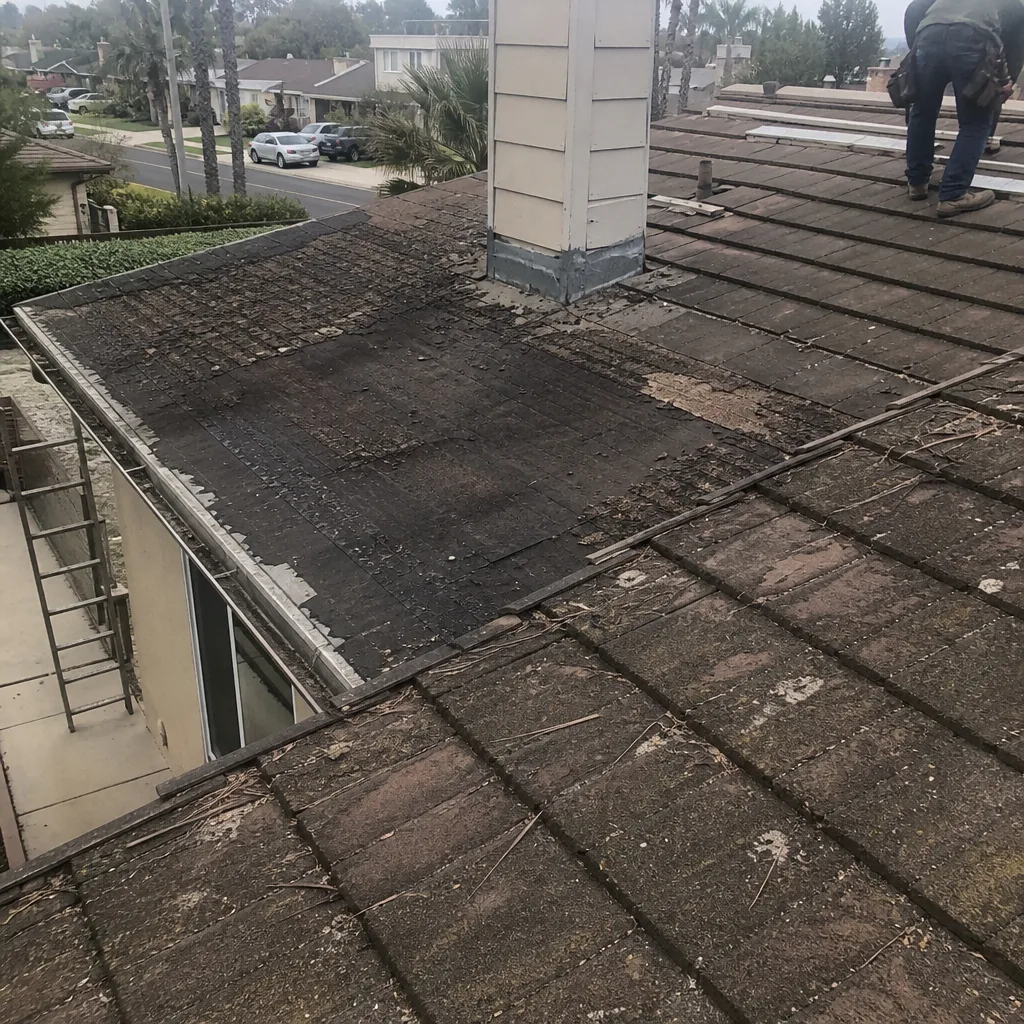 Before
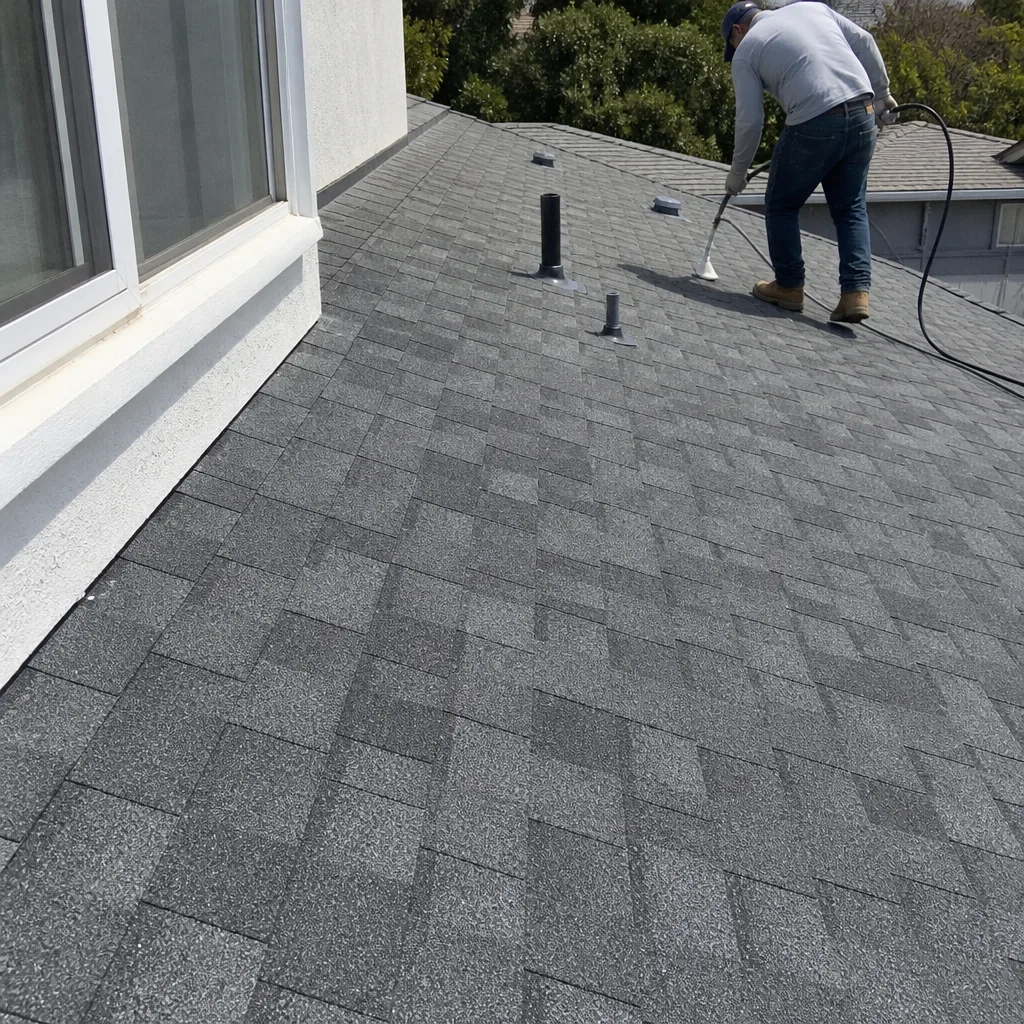 After
After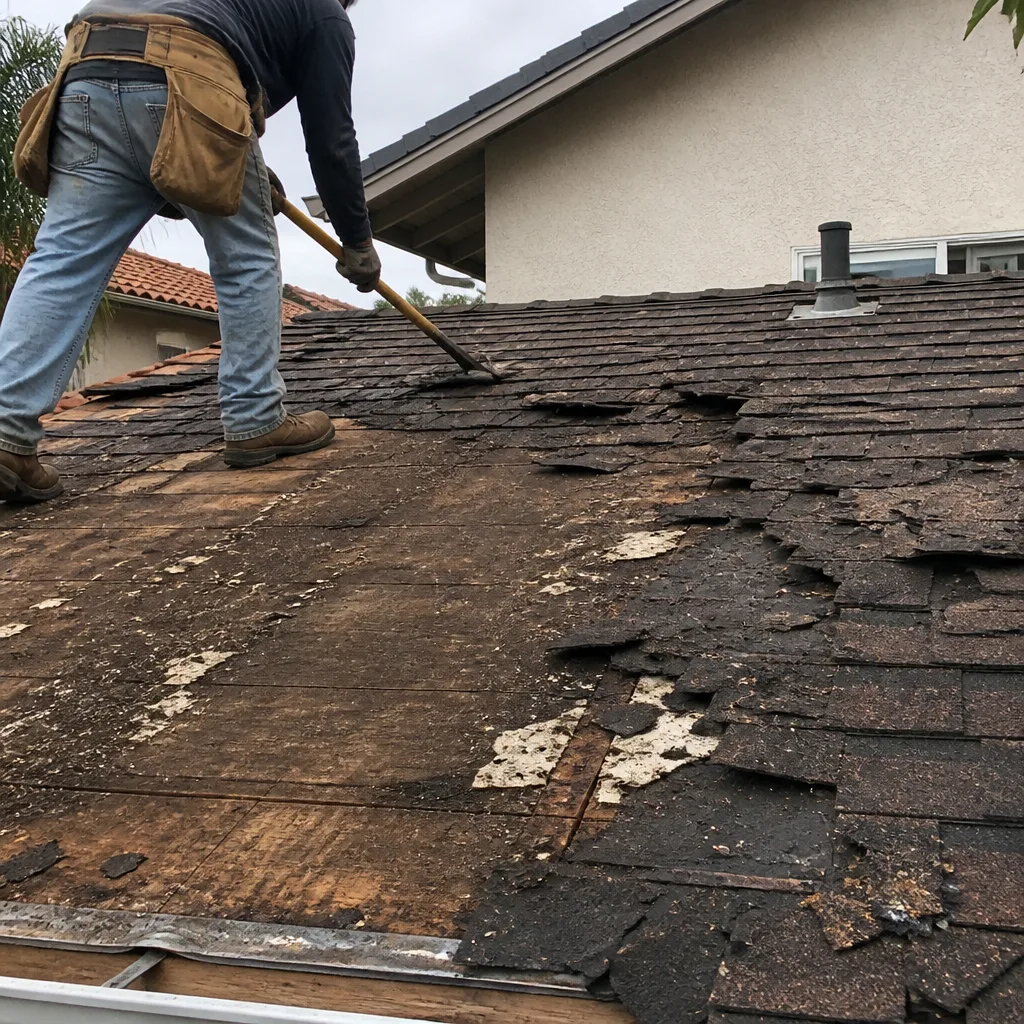 Before
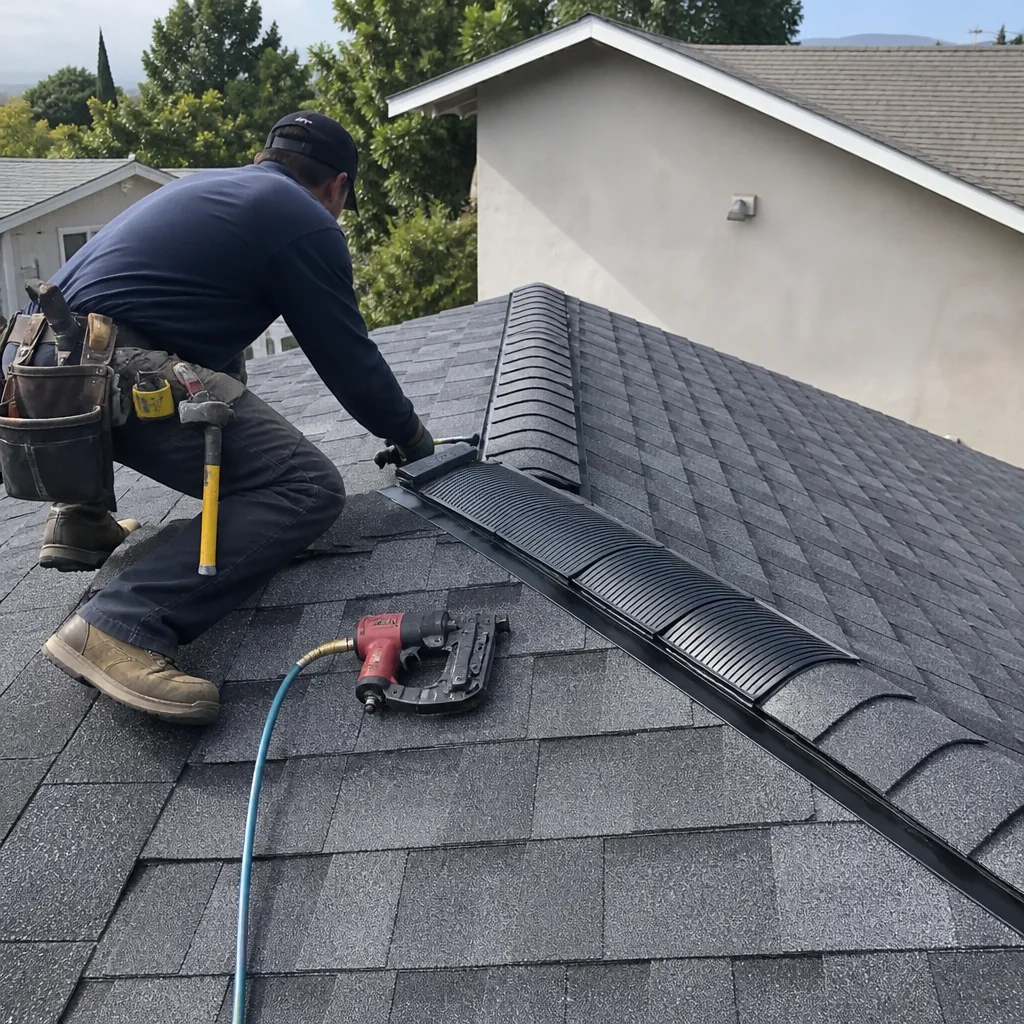 After
AfterWhen to Call a Professional
If your roofing project involves a full re-roof, a material change, structural repair, or any work in a Ventura neighborhood with coastal wind exposure or wildland-urban interface fire requirements, call a professional who pulls permits as standard practice. If a contractor suggests skipping the permit, that is the moment to call someone else. If you are buying or selling a home in Ventura and the roof history is unclear, a professional inspection with permit history pull is worth the cost before the transaction gets complicated. Roof Installation in Ventura requires navigating city code, Title 24, and inspection scheduling, and the right contractor makes the process boring, which is the best possible outcome. Crestview Roofing Co Ventura offers free estimates in Ventura, call (559) 249-4917.
Frequently Asked Questions
A typical single-family home re-roof permit in the City of Ventura runs $300 to $600, with most projects landing between $400 and $800 including plan review and inspections. Exact fees depend on roof size and project valuation. Call (559) 249-4917 for an exact quote, estimates are free.
You need a permit if you replace more than 10% of the roof area or change the roofing material type. Replacements under 10% with the same material are classified as repair and do not require a permit in most jurisdictions, including Ventura.
A cool roof is a roof surface with a minimum solar reflectance and thermal emittance rating under California’s Title 24 energy code. Ventura is in climate zone 6, which is not on the mandatory cool-roof list for standard asphalt shingle re-roofs, but material changes and some local interpretations can trigger the requirement, so CRRC-listed products are still the safe default.
Your insurance carrier may deny a future claim on the roof, the city can charge double fees for retroactive permitting, and any code violations found during the retroactive inspection become your financial responsibility. Unpermitted work also must be disclosed at sale and can delay or derail escrow.
A straightforward comp-to-comp re-roof permit in the City of Ventura typically takes 3 to 7 business days from application to issuance. Plan review for material changes or structural work can take two to three weeks. Seasonal rushes in late summer can stretch timelines.
Yes, as an owner-builder you can pull your own permit and do the work yourself, but you sign a declaration accepting legal liability for code compliance and worker safety. If the work fails, you carry the risk without a licensed contractor’s insurance backing you. Roof Repair in Ventura by a licensed contractor keeps that liability where it belongs.
The Bottom Line
Roofing permits in California are not bureaucracy. They are the record that protects your insurance claim, your home sale, and your legal standing if the roof fails. In Ventura, the process is straightforward for a standard re-roof: file the application, pass the underlayment and final inspections, and collect the sign-off. Title 24 adds a cool-roof compliance layer in some cases, and the 10% repair threshold defines when a project crosses from maintenance to re-roof. A contractor who suggests skipping the permit is saving himself money and handing you risk. The sign-off, stored with your closing documents, is the proof that your roof was done right. For more guides & resources on protecting your home, see our blog. That piece of paper is worth more than the few hundred dollars the permit costs.
Written by Dylan Pace, Owner at Crestview Roofing Co Ventura, serving Ventura since 2000.