
Last updated October 17, 2026
 Metal roofing
 Architectural shingles
 Tile roofing
 GAF
GAF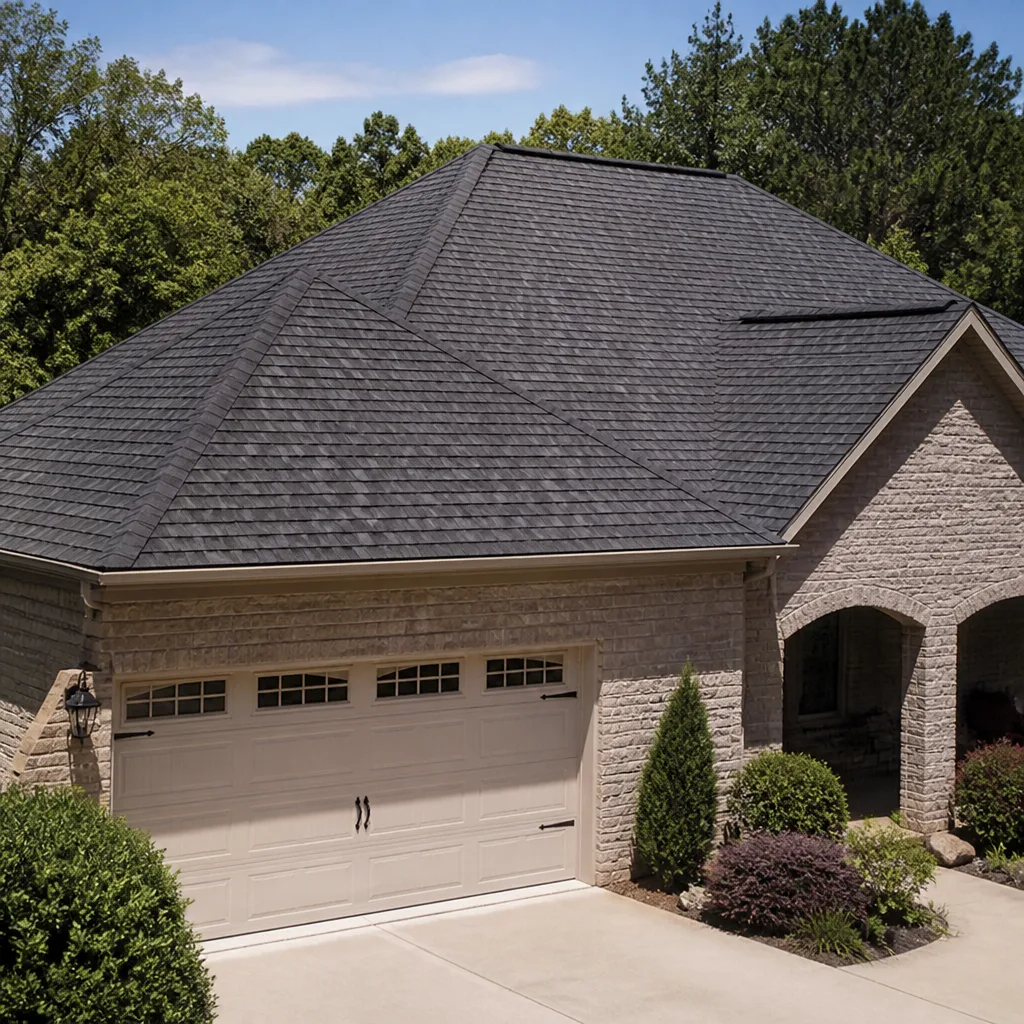 Owens Corning
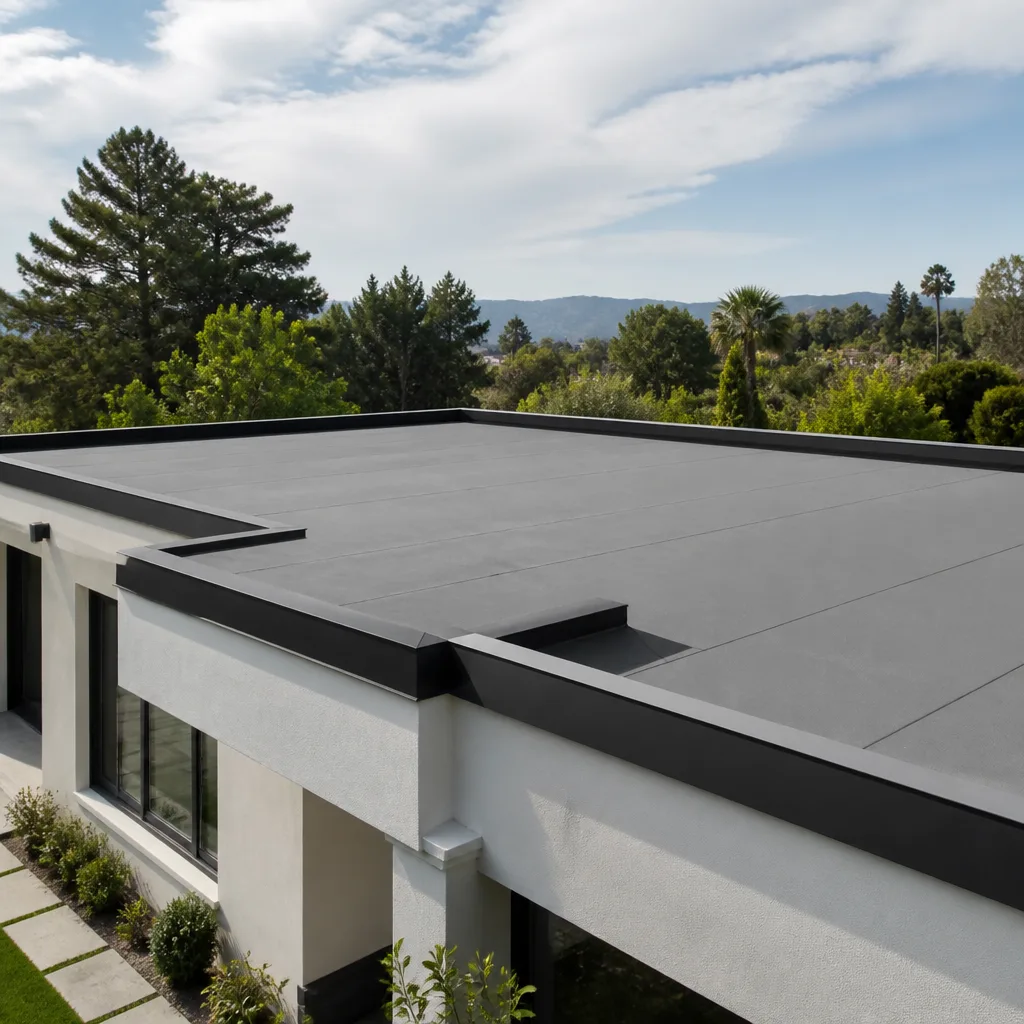 Flat & low-slope
Free roof inspection with deck photos before we talk money - GAF and Owens Corning certified installation
Seasonal Roofing Care for Ventura: Year-Round Homeowner’s Guide
Telling a Ventura homeowner to winterize their roof in October is like telling them to shovel snow. The threats here are real, but they arrive on a completely different schedule, and the standard seasonal advice misses all of them. This guide replaces the generic four-season calendar with the four phases that actually shape roofing in Ventura: marine fog, dry wind, brief rain, and relentless sun. For a deeper dive into each topic, see our The Complete Guide to Roofing in Ventura. You’ll learn what to inspect during each phase, which problems are urgent versus cosmetic, and how to keep a simple log that makes every future roofing decision easier and cheaper.
Quick Answer
Smart seasonal roof care in Ventura means aligning maintenance with four local climate phases: checking for moss and algae during May through September marine layer season, securing ridge caps and flashing before October through December Santa Ana winds, testing drainage during the January through March rain window, and inspecting thermal-cycling damage during the April heat and summer UV months. Most seasonal problems start small and are caught early with a simple monthly visual check from the ground, plus a semiannual gutter and flashing inspection.
Styles & brands we work with
Table of Contents
- May – September: Marine Layer Season – Moss, Algae, and Moisture Control
- October – December: Santa Ana Season – Wind Event Preparation
- January – March: The Rain Window – Drainage and Flashing Inspection
- April and July – September: UV and Thermal Cycling – The Slow Damage You Don’t See
- How to Keep a Seasonal Roof Log That Saves You Money
- Common Mistakes to Avoid
- When to Call a Professional
- Frequently Asked Questions
May – September: Marine Layer Season – Moss, Algae, and Moisture Control
Ventura’s May through September months bring the marine layer: cool, damp morning air that lingers on rooftops for hours after sunrise. On composition shingle roofs, that persistent moisture feeds algae and moss growth in shaded areas. On concrete or clay tile roofs – common throughout Ventura – moisture tends to collect in the valleys and behind tiles, creating ideal conditions for biological growth that can lift tile edges and trap water against the underlayment.
The first sign is usually cosmetic: dark streaks or green patches on north-facing roof planes and under tree overhangs. But the damage goes deeper than appearance. Algae holds moisture against shingle granules, and once granules start shedding, the asphalt beneath degrades faster. Moss goes further – it roots into the shingle surface and physically lifts edges, breaking the seal that keeps wind-driven rain out.
What to do during marine layer season, in order of priority:
- Inspect from the ground monthly. Look for dark streaks, green patches, or any visible growth. Binoculars work fine. You don’t need to climb the roof.
- Check the water path. Make sure downspouts discharge at least three feet from the foundation and that no gutter is holding standing water. Mosquitoes breed in standing gutter water, and the weight of a full gutter pulls on the fascia.
- Clean gutters twice during this window. Once in May as the layer settles in, again in August before any early wind events. Debris from eucalyptus and oak trees in Ventura neighborhoods like Montalvo and College Area collects fast.
- If moss or algae is present, treat rather than pressure-wash. Pressure washing composition shingles strips granules and voids most manufacturer warranties. For asphalt shingle roofs, a 50/50 water and bleach solution applied with a garden sprayer, left for 20 minutes, and rinsed with low-pressure water is the standard homeowner-safe approach. For tile roofs, use a gentler oxygen-bleach cleaner and never walk directly on tile edges – tiles crack under concentrated weight.
- Trim overhanging branches. Anything closer than three feet to the roof surface keeps the roof damp and drops debris that traps moisture.
One detail most guides miss: the marine layer in Ventura is most persistent in June, and by August it often retreats earlier in the day. If you’re treating moss or algae, do it in late morning during a dry stretch so the roof has time to dry completely before the evening damp returns. A roof that stays wet for 48 hours after treatment can develop new growth faster than before.
We’ve walked roofs in Ventura where homeowners had done the right thing and cleaned their gutters, but the moss kept coming back because a neighbor’s pepper tree overhung the ridge. Until the tree was trimmed, the problem was on a loop. If your roof faces a persistent damp spot even after treatment, check what’s above it.
October – December: Santa Ana Season – Wind Event Preparation
Ventura doesn’t get the extreme Santa Ana gusts that hit the inland valleys, but October through December does bring the strongest sustained winds of the year, often 20 to 35 mph with higher gusts along the foothills and in the East End. Those winds find every loose ridge cap, every piece of flashing that has loosened over the summer, and every shingle whose seal has weakened.
The wind itself is only half the problem. Santa Ana winds carry dust and fine grit that scours roof surfaces and works its way under loose materials. A shingle tab that was merely lifted in June becomes a full tear-out by November.
Here’s the pre-wind-event inspection checklist we recommend for any Ventura homeowner in October:
- Ridge cap visual check from the ground. Ridge caps are the triangular or rounded shingles that cover the peak where two roof planes meet. If any look misaligned, cracked, or missing, that’s a call-worthy issue before the wind season peaks. Ridge cap fasteners that fail are the most common cause of wind-damaged roof peaks in our experience.
- Check for lifted shingle tabs. On a sunny afternoon, look at the roof from different angles. Lifted tabs often show as slight shadows or color shifts. Don’t climb up to reseal them yourself – walking composition shingles in hot or cold weather can cause more damage than the wind will.
- Inspect flashing around penetrations. Flashing – the metal strips that seal joints around chimneys, vents, and skylights – takes the most abuse in wind events. Look for gaps, lifting, or missing fasteners. If flashing is visibly loose, water will find it during the rain window that follows.
- Secure loose items around the property. Patio furniture, tools, and toys become projectiles in sustained wind. A flying object that hits the roof often causes more damage than the wind itself.
- Take date-stamped photos of the roof. If wind damage does occur, having a photographic baseline from October makes the insurance and repair process faster and less contested.
When to call a pro versus monitor: if you see missing ridge caps, torn shingles after a wind event, or flashing that has separated from the roof surface, call a roofing contractor before the rain arrives. Not sure how to choose one? Read How to Hire a Roofing Contractor in Ventura: A Step-by-Step Guide first. If everything looks intact, monitor after each significant wind event. A small problem spotted in November is a cheap repair; the same problem after rain gets into the roof deck becomes a much larger project.
If you’re not sure what you’re looking at, our Roof Repair in Ventura page walks through the most common wind and water damage patterns. But the short version is: loose things get looser in wind, and wind damage that isn’t addressed in November shows up as water damage in January.
January – March: The Rain Window – Drainage and Flashing Inspection
Ventura gets most of its roughly 15 inches of annual rain between January and March. Fifteen inches doesn’t sound like much to someone from the Pacific Northwest, but the way it falls matters more than the total. Ventura rain often arrives in short, intense bursts rather than long, gentle soaks. That means a roof that leaks during a heavy downpour likely has a specific drainage or sealing failure – not a general wear problem.
The first rain test should happen during a real downpour, not in between storms. This is the single most useful diagnostic you can run all year.
Numbered rain-window inspection steps:
- Gutter and downspout flow test. During active rain, watch water exit each downspout. If water overflows the gutter edge in one spot, you have a clog, a slope problem, or a downspout that’s too small for the roof area. The fix is often as simple as clearing a clog, but if the gutter is undersized, pooling water backs up under the roof edge and rots the fascia and decking.
- Valley flashing inspection. Valleys are the V-shaped channels where two roof planes meet, and they carry more water than any other part of the roof during rain. Look at valleys during rain – if water is running over the edge of the valley rather than down the center, debris is damming the flow. Even a small leaf dam can push water sideways under shingles. This is why regular gutter cleaning and valley cleaning are non-negotiable in Ventura, where leaves from sycamore, pepper, and oak trees accumulate surprisingly fast in the city’s older neighborhoods.
- Standing water patterns. After rain stops, step outside and look for areas on the roof that stay wet hours after everything else has dried. Standing water on a tile or shingle roof means the slope or drainage is inadequate in that spot. On flat or low-slope roofs, ponds that last more than 48 hours are a signal that the roof’s drainage design isn’t working. The water itself is not the roof’s enemy; the slow saturation of the materials is.
- Interior watermark checks. During or immediately after the season’s first heavy rain, check attic spaces and ceilings for watermarks, especially around chimneys, vents, and ceiling penetrations. Small water stains often dry by spring and get forgotten – but that’s exactly when they’re easiest and cheapest to fix.
- Check the roof at the end of the season. After the final rain in March or April, do a complete visual check. Wind and rain may have washed debris into new places, and clogged drains or valleys may have caused water to back up under shingle edges for weeks before drainage caught up.
If any of these checks turn up a problem, the damage is usually localized and repairable. A valley clog that caused a small leak is not an emergency, but it should be addressed before the next rain window. Leaving it until the following January means another six to ten months of slow water intrusion – and a repair that may have grown from a few hundred dollars to a full section replacement.
For homeowners weighing repair versus replacement after a wet season, our Roof Replacement in Ventura guide covers the decision points in detail, including local material options that handle Ventura’s rain patterns better than others.
April and July – September: UV and Thermal Cycling – The Slow Damage You Don’t See
Ventura’s UV exposure is intense, and it works on roofs in two ways: it bakes shingle surfaces, and it creates thermal cycling – the repeated expansion and contraction as roof materials heat during the day and cool at night. April is a transition month where these cycles accelerate, and July through September is the peak heat window when the damage compounds.
A roof surface in Ventura can swing 60 degrees or more in a single day – from a cool marine-layer morning near 60°F to a sun-baked afternoon over 120°F. Every degree of temperature change causes the roof to expand slightly. Over years, that movement works loose the caulking and sealant around flashing, especially around chimneys, skylights, and vent pipes. The caulk cracks, water gets behind the flashing, and the leak doesn’t become visible until the rain window arrives months later.
How to inspect for thermal-cycling damage during the UV-heavy months:
- Look at flashing caulk joints. From the ground or a ladder at the roofline (never walk a roof you’re not trained to walk), check the joints where flashing meets roof surface. Cracks, shrinkage, or separation in the caulk are signs that the seal has failed. Even without active rain, a failed caulk joint lets moisture in during marine-layer mornings and morning dew.
- Check for shingle curling or cupping. Years of UV exposure cause composition shingles to lose oils and flexibility. Curled edges or cupped centers mean the shingle’s waterproofing ability is compromised. This is a progressive problem that accelerates once it starts – a roof with curling shingles in April will be significantly worse by September.
- Look for granule loss. On composition shingle roofs, check the gutters for sand-like granules. Some granule loss is normal over a roof’s life, but excessive loss – especially in concentrated areas – means the UV has broken down the shingle surface, and the roof is nearing the end of its useful life.
- Examine tile roofs for spalling. Concrete and clay tiles can spall (flake or chip) under repeated thermal stress. Spalled tiles absorb more water and are more likely to crack as the cycles continue.
April and September are the two best months for addressing thermal-cycling damage, because they’re shoulder-season months when the roof is neither at peak heat nor within the rain window. A repair done in April has six months to settle before the next rain. A repair done in September has the same benefit before the wind season begins.
Material choice matters for thermal cycling. Higher-quality composition shingles with stronger adhesives and better granule retention resist thermal cycling better than entry-level products. When we install or replace roofs in Ventura, we work with manufacturers like CertainTeed, Owens Corning, and IKO because their shingle lines are engineered for the specific thermal and UV conditions we see here. A roof system built for Ventura’s UV will look and perform differently from one built for a coastal Oregon climate, and the right material makes the seasonal log simpler: fewer repairs, fewer surprises, less to record. Wondering whether to tackle any of this yourself? Our DIY vs Professional Roofing: The Ventura Homeowner’s Decision Guide breaks down what you can safely handle and what belongs to the pros.
If your roof is in the replacement decision zone, our Roof Installation in Ventura guide explains the full process, including how we price and document every step with the Relay Standard.
How to Keep a Seasonal Roof Log That Saves You Money
Most homeowners don’t keep roofing records because no one tells them how. But a simple log changes the economics of every future roof repair. When you call a contractor, the log is the difference between a roofer guessing at what happened and a roofer reading the roof’s actual history. Guessing is expensive. History is cheap.
Here’s the log system we recommend for any Ventura homeowner. It takes less than ten minutes per season.
- Use a simple notebook or a note on your phone. Digital is better because you can attach photos, but a spiral notebook works if you’re consistent. Create four entries per year, keyed to the four phases in this guide: marine layer (May), Santa Ana (October), rain window (January), and UV/thermal (April).
- Each entry includes four things. Date, weather conditions during the inspection, what you observed (including photos), and any action taken. “3/12 – after rain, water pooling in valley near east dormer, cleared leaves, will monitor” is a complete entry.
- Photo everything, even if nothing is wrong. A date-stamped photo of the ridge caps, valleys, and flashing on a dry sunny day gives you a baseline. When something changes, you can compare directly. This is the single most valuable habit in the log system.
- Note every repair, no matter how small. The date, the contractor, what was done, and what it cost. Five years of small repairs tells a different story than a single big one.
- Log the environment around the roof. When a neighbor’s tree starts overhanging your roof, when the city trims street trees, when a new structure goes up that changes wind patterns – all of it affects your roof.
Why this matters, in dollars: a roofer who sees a log showing repeated valley clogs over three rain seasons knows the fix is likely a drainage redesign, not just another cleaning. A roofer who sees granule loss accelerating over two summers knows the roof is aging according to Ventura’s UV cycle, not a manufacturing defect. Both of these distinctions change the estimate from a guess to a documented diagnosis.
At Crestview Roofing Co Ventura, we ask every homeowner about roof history. The people who keep a log get faster, more accurate estimates because we start from documentation instead of assumptions. Written prices before work starts, photo documentation before and after, and a repair guarantee in writing for 365 days are standard on every job – but the log is the homeowner’s own photo trail, and it belongs to you no matter who you hire.
Common Mistakes to Avoid
- Following a national seasonal maintenance calendar. Ventura’s climate phases don’t match October-to-April “winter” advice from national guides. A Ventura homeowner who waits until October to “prepare for winter” has already missed the marine layer window and is late for Santa Ana season. Work from the four phases in this guide instead.
- Pressure-washing a composition shingle roof. This strips granules, voids manufacturer warranties, and shortens roof life by years. Ventura’s marine layer makes moss and algae common, but the solution is treatment, not blasting.
- Ignoring small water stains in the attic. A stain that appears during the rain window and dries by April is an active leak in slow motion. Every month it goes unaddressed, the repair cost climbs and the affected area grows.
- Treating the roof as a “fix it when it leaks” system. By the time a leak is visible inside the house, water has been in the roof assembly for weeks or months. The seasonal log approach catches problems before the interior damage begins.
- Walking on tile roofs without knowing the load points. Tile roofs in Ventura’s older neighborhoods are especially vulnerable. Walking on tile edges and unsupported spans cracks tiles and creates future leaks. Every reputable roofing contractor knows how to move on tile without breaking it – if a pro walks your roof and breaks tiles, that’s a red flag.
- Neglecting the gutters because it doesn’t rain much. Ventura’s rain may be infrequent, but when it comes, it’s intense. Gutters clogged with leaves from the city’s many sycamore and oak trees overflow in exactly the spots that cause fascia rot and foundation damage.
When to Call a Professional
If you see missing ridge caps after a wind event, flashing that has separated from the roof surface, water stains on interior ceilings after rain, or persistent moss that returns within weeks of treatment, call a professional. These are structural or drainage issues that worsen quickly and become more expensive the longer they wait. A professional inspection is also warranted if your seasonal log shows a pattern – repeated valley clogs, accelerating granule loss, or cracking caulk at the same flashing joints year after year.
Crestview Roofing Co Ventura offers free estimates in Ventura – call (559) 249-4917. Every estimate includes a written price before any work starts, photo documentation before and after, and the 365-Day Done Right Promise on every repair, in writing.
Frequently Asked Questions
Inspect your roof at least four times per year, once during each Ventura climate phase: May (marine layer), October (Santa Ana), January (rain window), and April (UV/thermal). A thorough ground-level visual check takes 15 minutes and catches most problems before they become leaks. Add a check after any significant wind or rain event.
Seasonal maintenance for a single-family home in Ventura typically runs $200 – $450 per visit for gutter cleaning, moss/algae treatment, and a basic multi-point inspection. Repairs found during maintenance cost more depending on scope – minor flashing resealing runs $150 – $350, while valley rebuilding can exceed $1,200. Call (559) 249-4917 for an exact quote – estimates are free.
Moss is a real problem on Ventura roofs because it traps moisture against the shingle surface and physically lifts shingle edges, breaking the seal that protects against wind-driven rain. On tile roofs, moss can lift tile edges and allow water to reach the underlayment. Treat moss during the dry part of marine layer season rather than waiting until it spreads.
With Crestview Roofing Co Ventura, no. The written price you receive before work begins is the number on the final invoice – no change orders, no surprise upcharges, no “we found something” calls that magically double the bill. That’s the Relay Visibility Guarantee, and it’s in writing on every job.
Most seasonal repairs – flashing resealing, ridge cap replacement, gutter re-sloping, moss treatment – take between two and five hours for a professional crew. Larger repairs like valley rebuilding or section replacement can take a full day or more depending on the roof area and material availability. Your estimate includes the expected timeline before work begins.
When permits are required for a roofing project in Ventura, they’re pulled before work starts and the work is inspected by the city before sign-off. For standard repairs under the permit threshold, no permit is needed, and the work is documented with before-and-after photos as part of the Relay Standard. We can tell you during the estimate whether your specific project requires a permit.
The Bottom Line
Ventura roofing care works on a four-phase local calendar: marine layer moisture from May through September, Santa Ana wind from October through December, the rain window from January through March, and UV/thermal cycling in April and the summer months. Each phase has its own inspection checklist and its own common failure points. A simple seasonal log – four entries per year, photo-documented – turns every future roof repair from a guessing game into a documented diagnosis, and the same log saves money whether you hire Crestview Roofing Co Ventura or any other qualified contractor. The roof is the largest single system protecting your home; the right seasonal attention extends its life by years and prevents the slow leaks that become big bills. For more guides & resources on protecting your Ventura home, visit our blog.
Written by Dylan Pace, Owner at Crestview Roofing Co Ventura, serving Ventura since 2000.
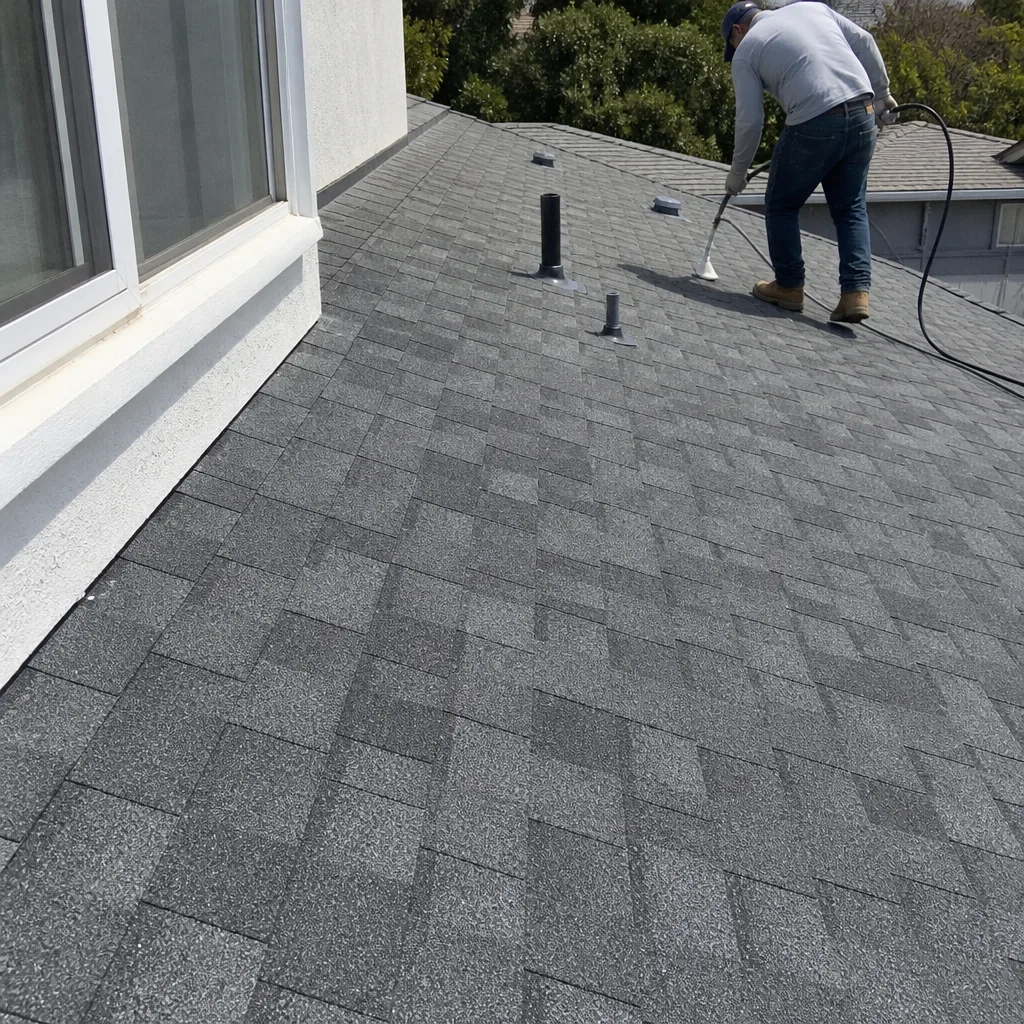
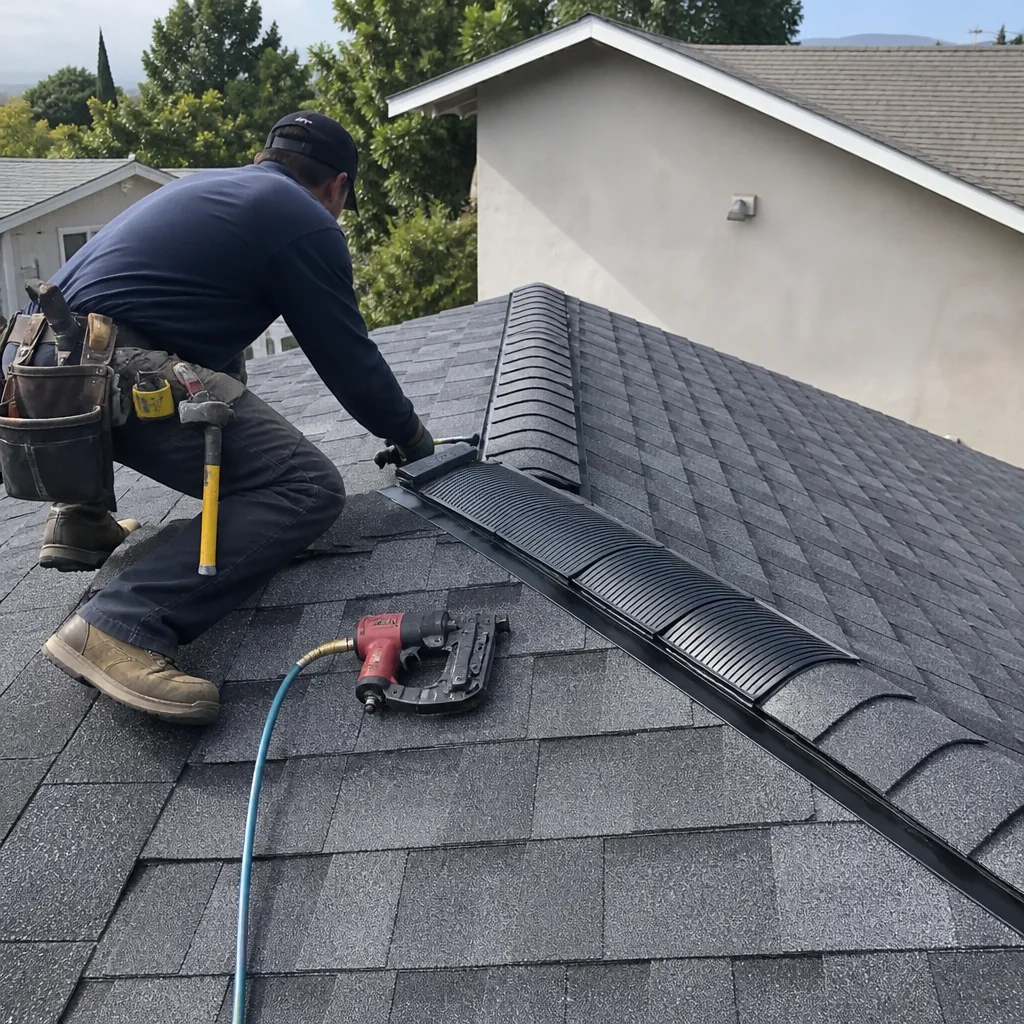
See the difference
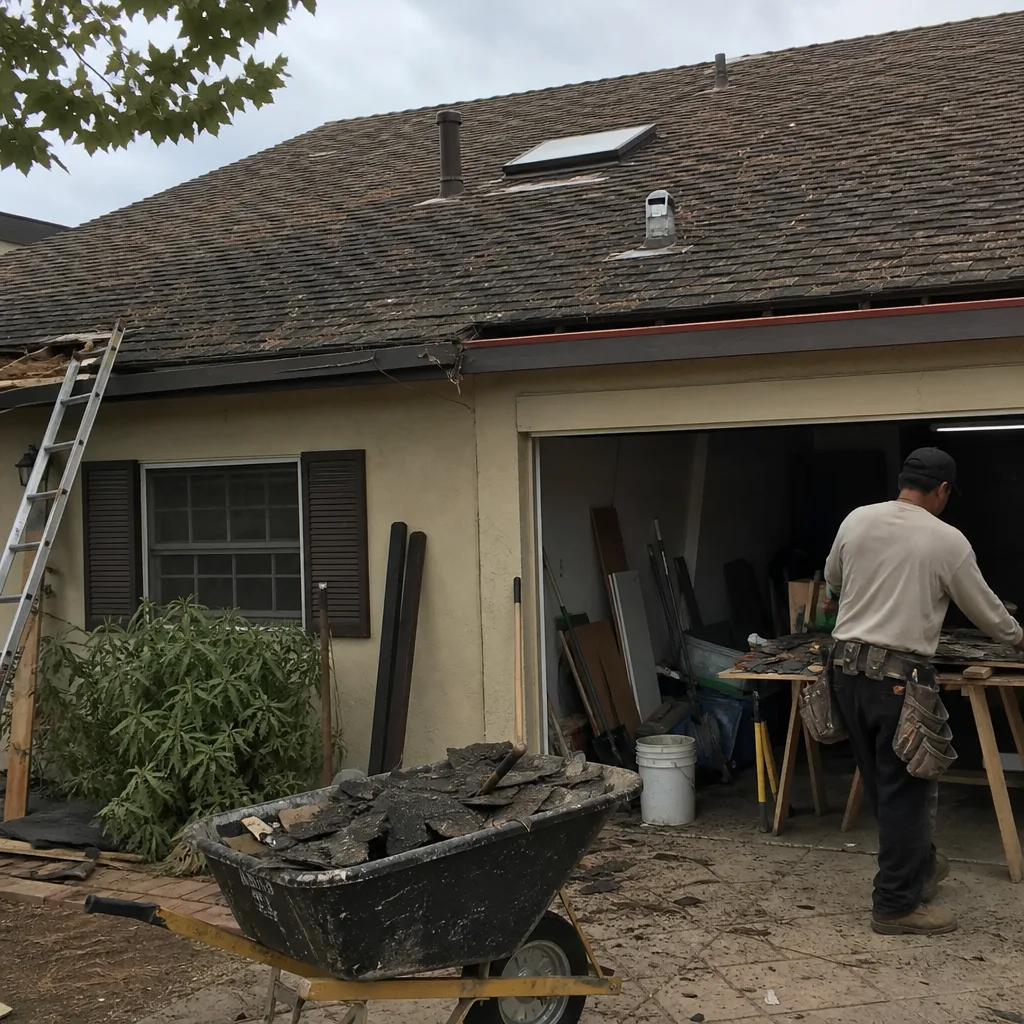 Before
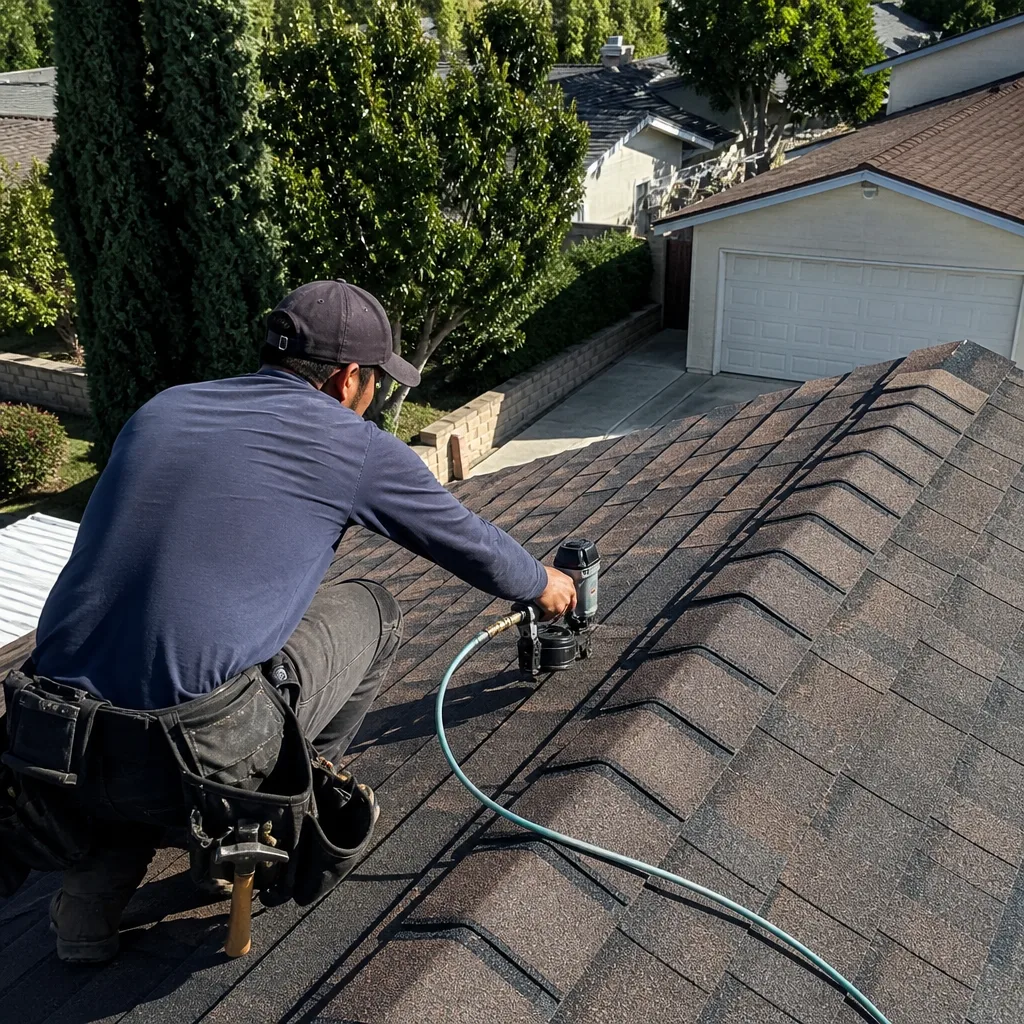 After
After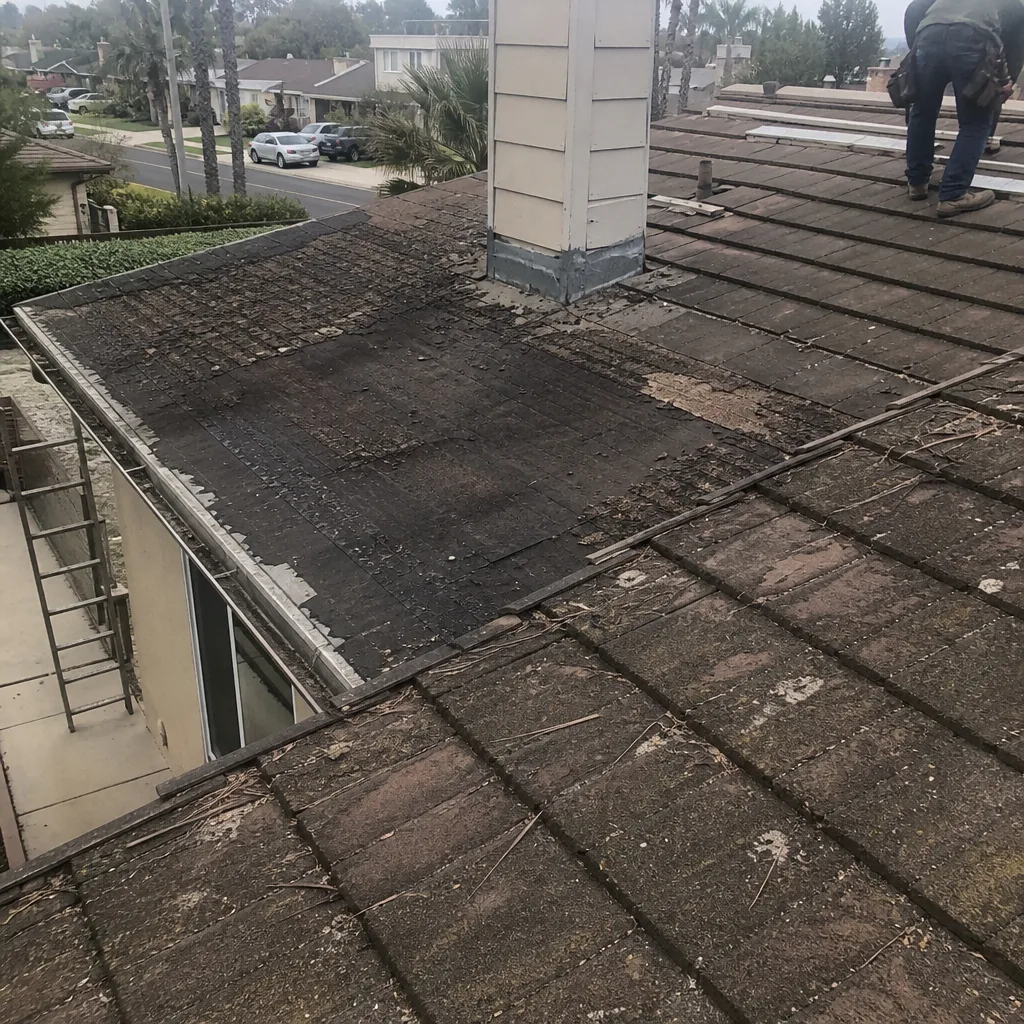 Before
 After
After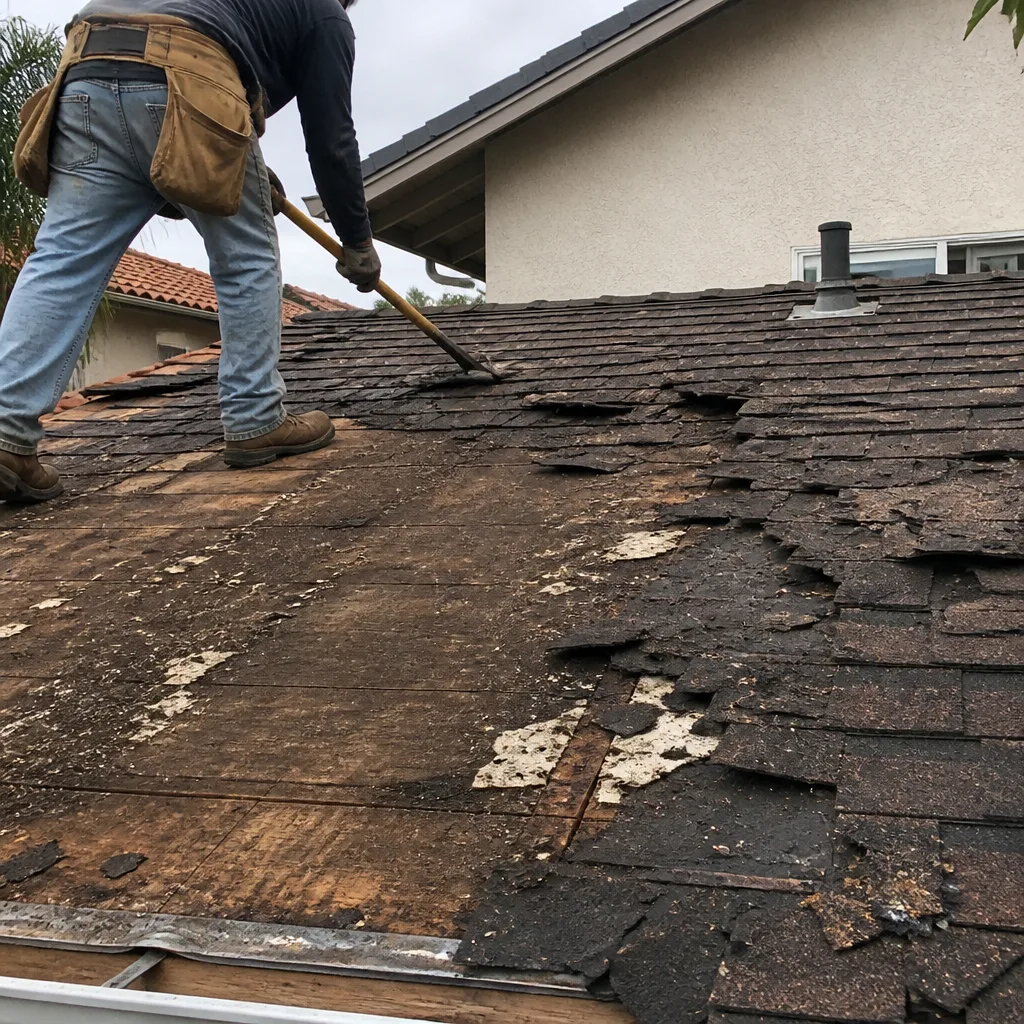 Before
 After
After