
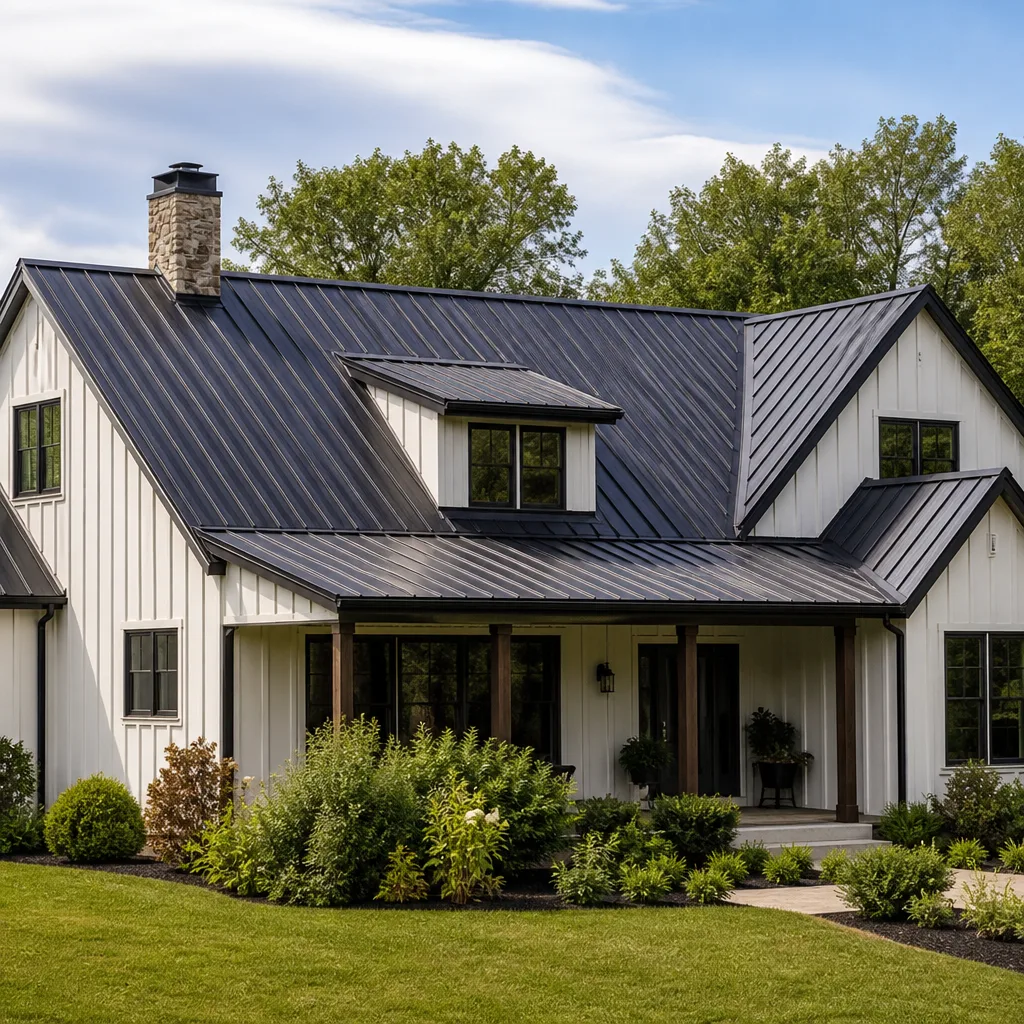
 Metal roofing
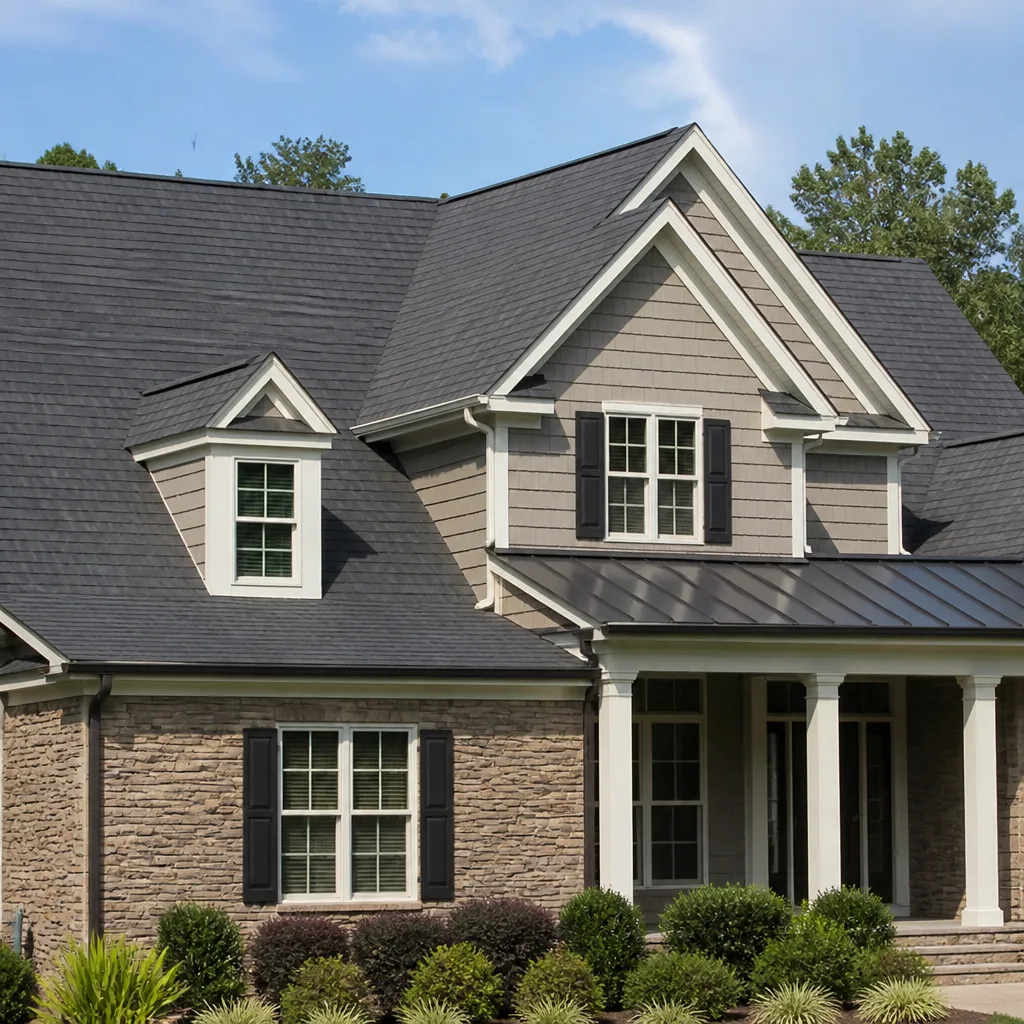 Architectural shingles
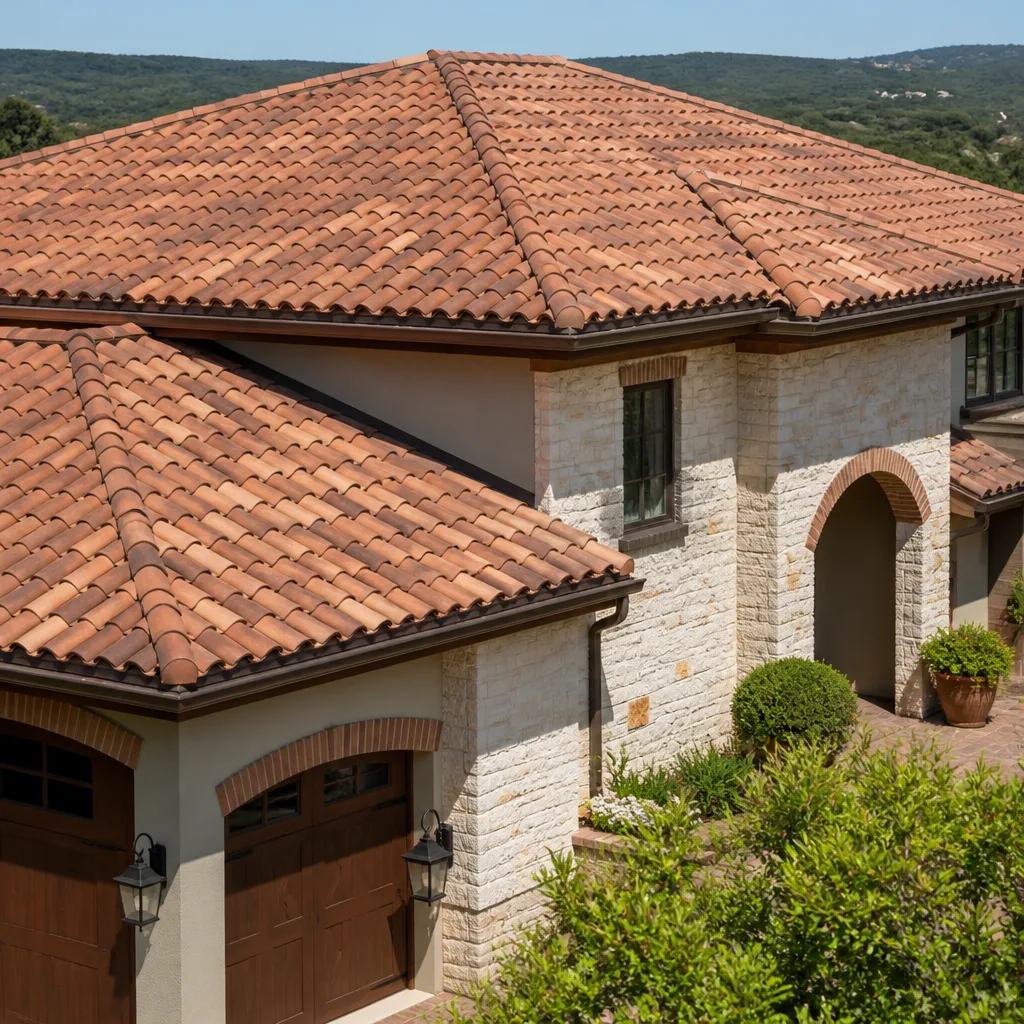 Tile roofing
 GAF
GAF Owens Corning
 Flat & low-slope
Free roof inspection with deck photos before we talk money - GAF and Owens Corning certified installation
CertainTeed Ridge Vent Installation: The Ventura Owner’s Guide
We stock and install CertainTeed-compatible ridge vent systems throughout Ventura, with most full ridge vent installations running $850 to $1,600 depending on roof length and whether we’re cutting new decking or replacing an existing vent. We keep CertainTeed’s 9-inch and 11.5-inch roll ridge vents on the truck, so we can usually handle the job the same day we inspect it. The call usually starts the same way: a homeowner noticed shingles lifting near the peak, found granules piling up in a gutter, or walked into the attic in August and felt like they’d opened an oven door.
The ridge vent is the horizontal opening that runs along the top peak of your roof, letting hot air escape from the attic. When it fails, your attic stops breathing, your shingles cook from underneath, and your cooling bills climb. Here’s what Ventura homeowners need to know about the CertainTeed version specifically, what breaks, what it costs, and whether you should touch it yourself.
Which CertainTeed Models This Applies To
CertainTeed makes two ridge vent product families that matter for most Ventura homes: the ShingleVent II and the RidgeVent line. ShingleVent II is the workhorse: it comes in 9-inch and 11.5-inch widths, ships in 20-foot rolls, and is designed to be covered by your existing cap shingles so it nearly disappears at the roofline. RidgeVent is the upsell product: it has a fabric filter and an external baffle design that certain coastal inspectors prefer, though we see far fewer of them on residential jobs in Ventura.
The compatibility gotcha with CertainTeed ridge vents is the nail line. Both ShingleVent II widths use a reinforced nail line, but if a contractor or previous homeowner ran nails through the exposed plastic body instead of the reinforced strip, the vent will warp within two or three seasons. We regularly find this on tract homes built in the East Ventura neighborhoods where production crews were moving fast. The second thing to check: CertainTeed cap shingles are cut to specific exposure widths, and lining them up with the vent’s airflow channel matters. If the cap shingles overhang the vent by more than half an inch, you choke the airflow.
Identifying your exact model is simple. Look for the CertainTeed name printed on the vent body, or measure the exposed width at the roof peak. If it’s about 9 inches, it’s ShingleVent II 9. If it’s closer to 11.5, it’s the wider version. If you don’t see a printed label but the plastic has a distinct honeycomb or corrugated pattern, it’s an older CertainTeed RidgeVent or possibly an aftermarket equivalent. We’re an independent service provider, not affiliated with CertainTeed, but we stock direct-match OEM and some well-tested aftermarket options for both product lines.
Styles & brands we work with
Signs Your CertainTeed Ridge Vent Installation Is Failing
- Cap shingles lifting or curling along the peak. This is the number one symptom we see in Ventura, and it’s almost always from nails pulling out of the vent’s nail line. The cap shingles are only as secure as the nails holding them, and when that plastic warps from attic heat, the nails pop. You’ll see uneven peaks of shingle edges along the ridge.
- Granule buildup in a straight line inside your gutters. Shingles degrade faster when attic heat isn’t exhausted, and the peak is where heat concentrates. If you’re seeing a heavier line of granules in one section of the gutter, check the ridge above it first.
- Attic temperature that feels like a wall of heat in summer. A properly functioning ridge vent lets air rise and exit continuously. When the vent is clogged, crushed, or improperly installed, the attic turns into a heat dome. Ventura’s summer sun punishes this hard.
- Visibly crushed or flattened sections of the vent. Roofers walking along the peak during a repair or solar install can crush the plastic vent body. Once crushed, airflow stops. You’ll see this from the attic side, and it rarely fixes itself.
- Moisture or mildew smell in the attic after rain. A ridge vent that’s shifted out of place or cracked along the nail line lets water track in with wind-driven rain. Ventura’s winter storms coming off the Pacific drive rain horizontally, and a small gap becomes a steady leak.
See the difference
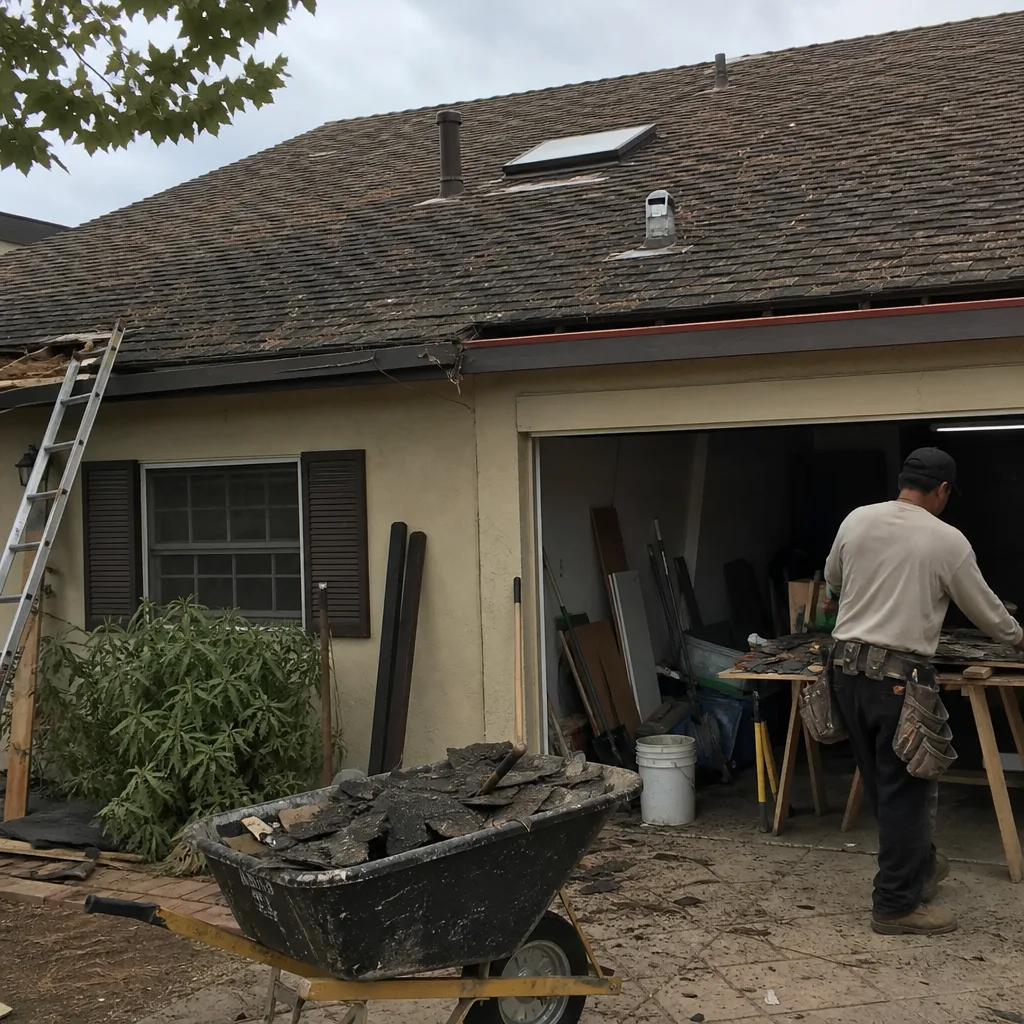 Before
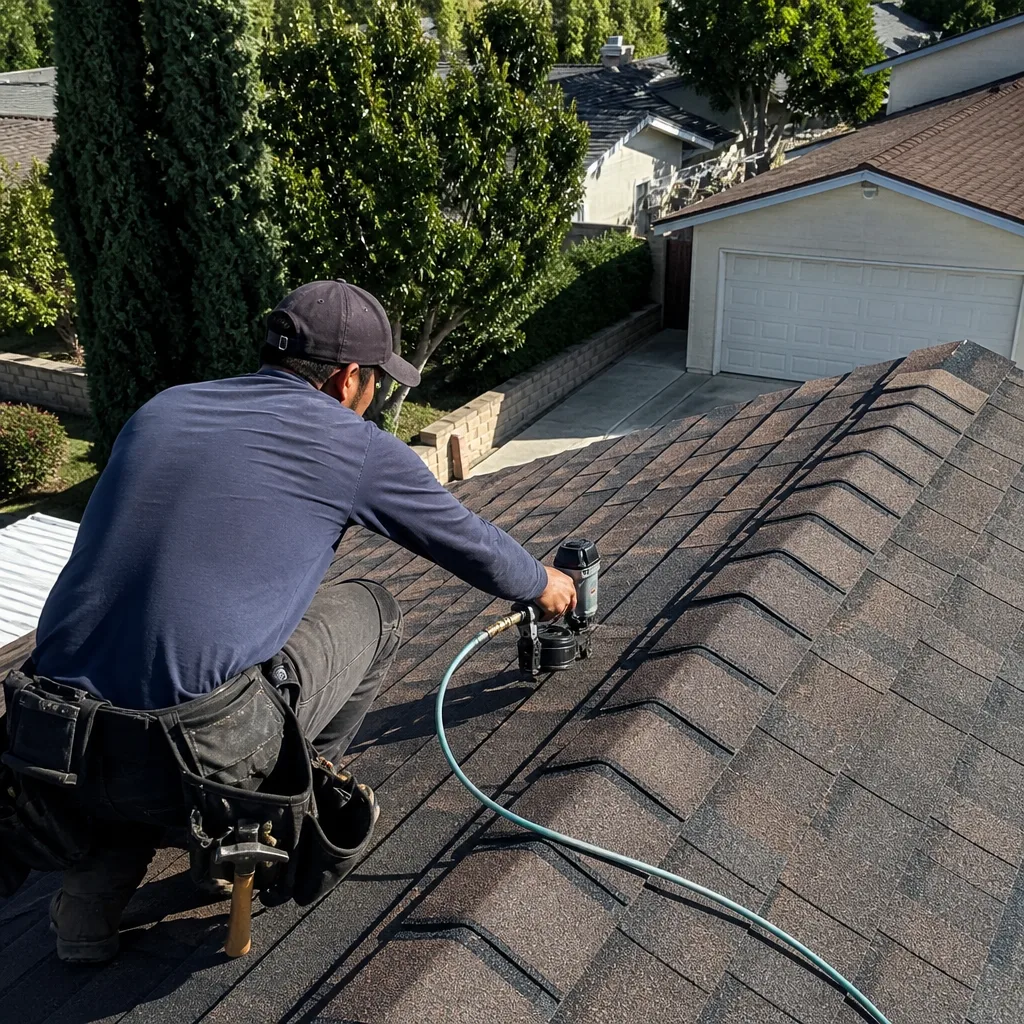 After
After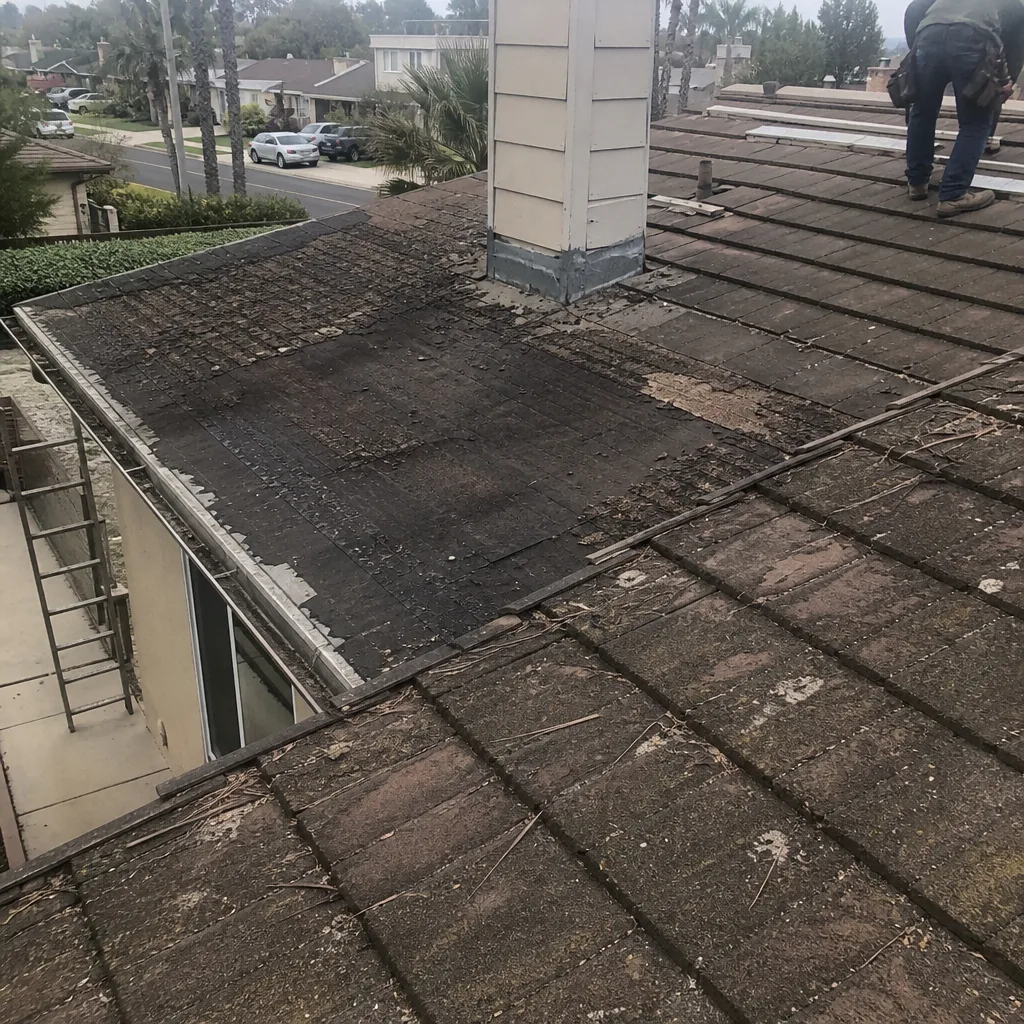 Before
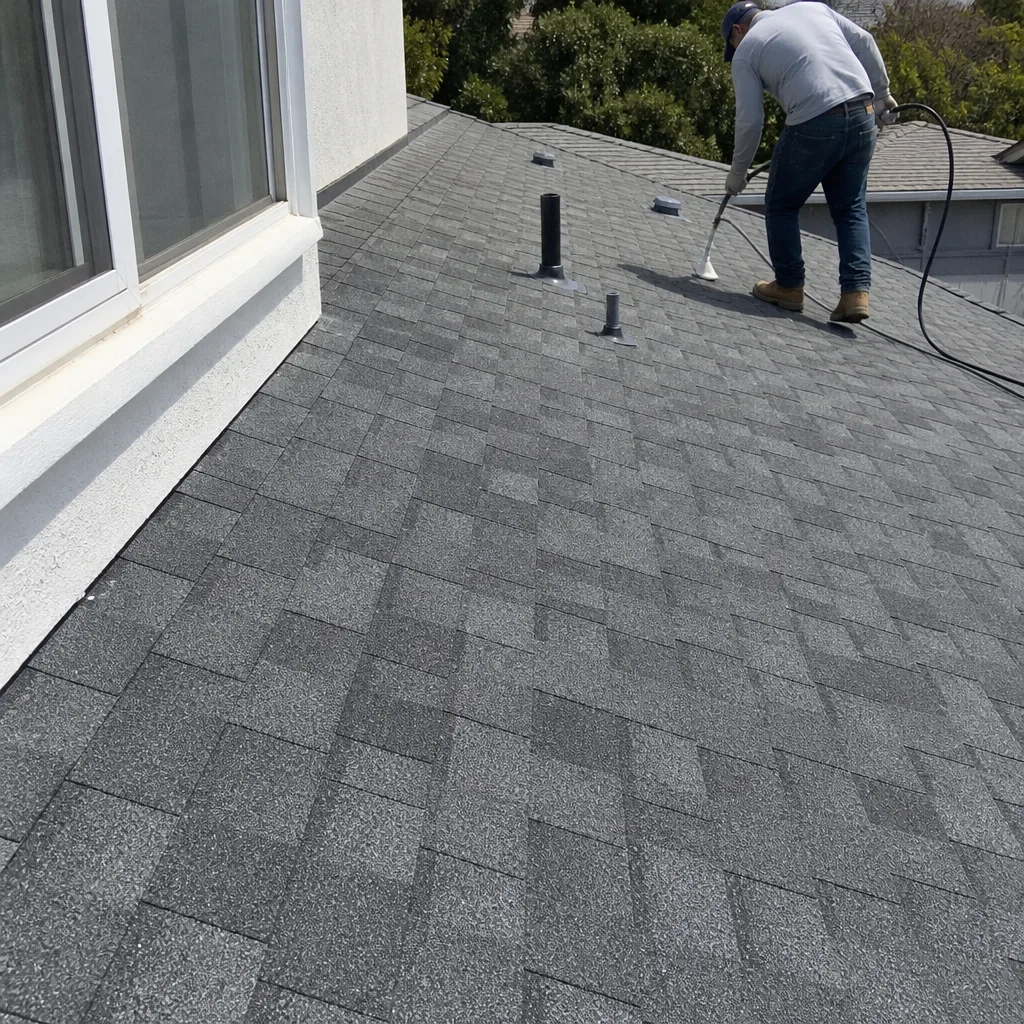 After
After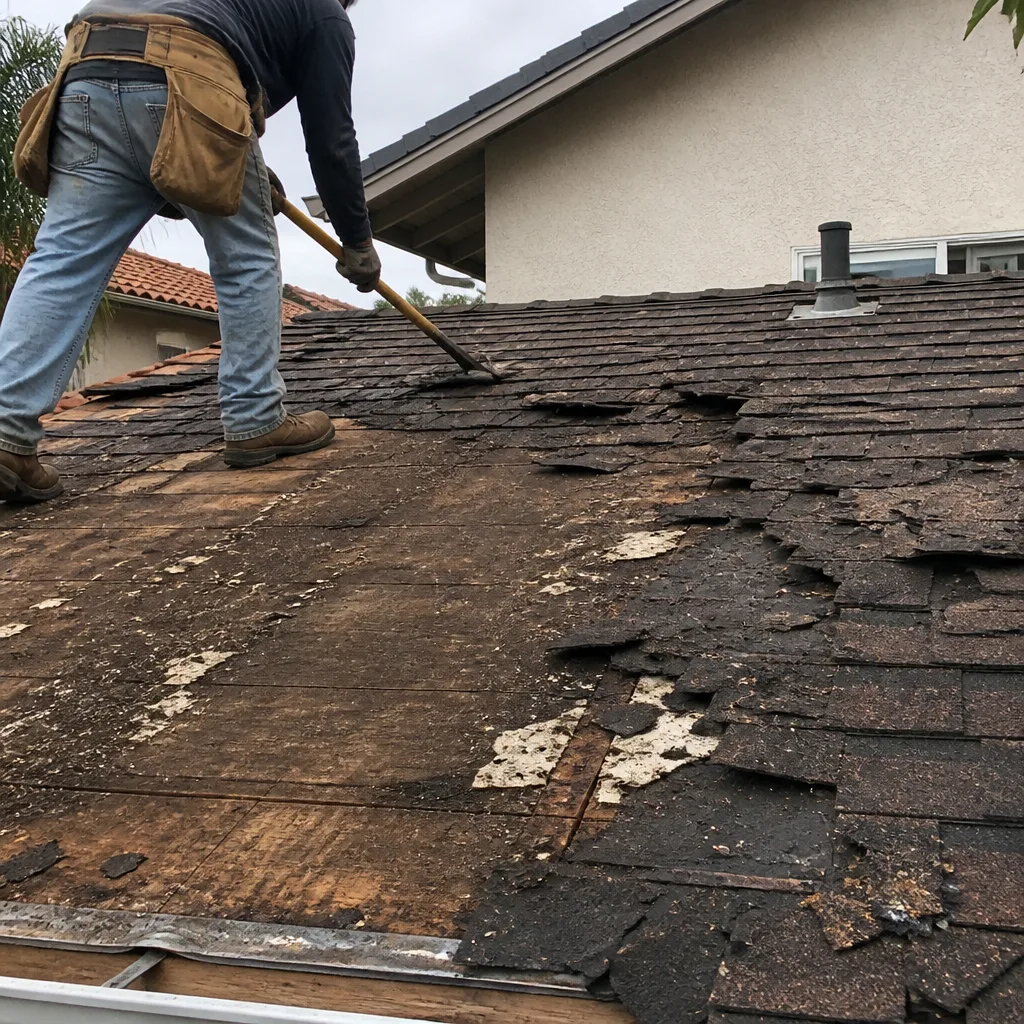 Before
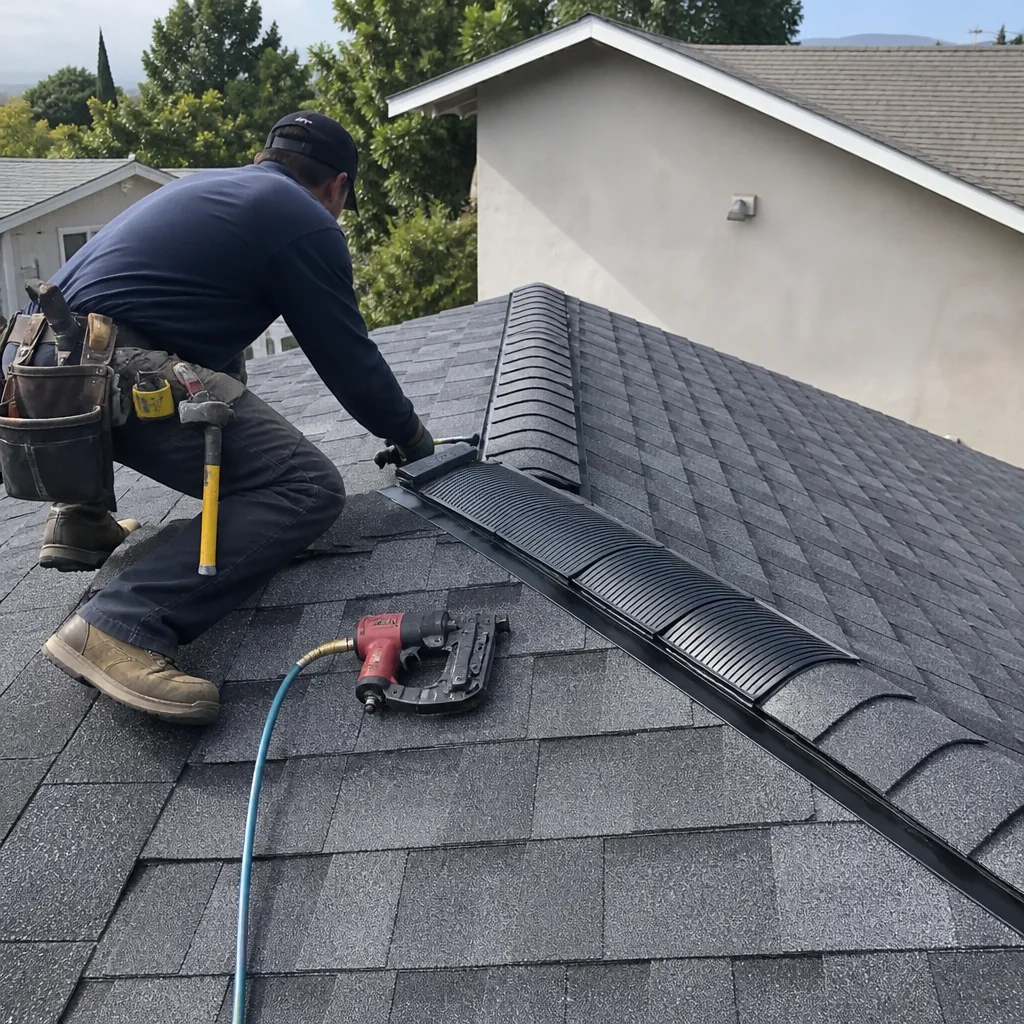 After
AfterReplacement Cost & What’s Included
For a standard single-story Ventura home with a ridge line of 30 to 40 feet, a full CertainTeed-compatible ridge vent replacement typically runs $850 to $1,100. Two-story homes or roofs with longer ridges, multiple peaks, or vaulted ceiling complexity land in the $1,200 to $1,600 range. The range is driven by roof accessibility (steep pitches in the Ventura foothills add labor), whether the decking needs repair around the opening, and whether we’re removing old vent material that was nailed or screwed in aggressively.
Here’s the pricing breakdown so you see exactly what you’re paying for:
- Vent material: $180 to $340 for CertainTeed ShingleVent II or equivalent, cut to your ridge length.
- Cap shingles: $90 to $220, depending on whether we can reuse existing caps (we rarely recommend it) or need new CertainTeed matching caps.
- Labor including old vent removal and disposal: $450 to $900, with most of the variance tied to roof pitch and height.
- Decking repair (if needed): $60 to $140 per damaged sheet, and we’ll tell you if we find something before we do the work.
Every quote from Crestview Roofing Co Ventura is written before work starts, and the number on the page is the number on the invoice. No change orders for things we should have caught in the estimate, no “we found additional damage” surprises. The work is backed by our 365-Day Done Right Promise: if anything fails within a year, we come back and make it right at no charge. In writing. Included with every job.
DIY or Call Us?
What you can safely check yourself: look at the ridge line from the ground or from a ladder at the eaves. See if the cap shingles are sitting even or if some are lifted. Go into the attic on a dry day and look for daylight coming through the vent opening in a continuous line. If you see daylight blocked in sections, something’s crushed or debris has built up.
What you should not do: walk the ridge line without knowing how to distribute your weight. A ridge vent is a plastic structure covered by shingles. Step wrong and you’ll crush it, and now you’ve expanded the repair. And while a ridge vent itself doesn’t carry the same danger as high-tension springs or electrical work, you’re dealing with roof heights, ladder placement on Ventura’s uneven terrain, and the very real risk of puncturing your roof deck with an errant roofing nail. We’ve seen DIY ridge vent replacements where the homeowner nailed through a truss, overdriven the caps, and turned a $900 job into a $2,800 decking repair.
If you’d rather not climb a roof or spend a weekend fighting with cap shingles on a 7/12 pitch, call us at (559) 249-4917. Dylan Pace and the rest of the Crestview Co Ventura crew will give you a straight answer about what’s wrong and a written price to fix it.
FAQs
With proper installation and the salt air we get along Ventura’s coast, a CertainTeed ridge vent typically performs well for 15 to 20 years. The plastic body resists UV degradation, but the cap shingles on top wear faster because they sit at the highest heat point of the roof. You’ll often replace caps at the 12 to 15-year mark even if the vent itself is still sound.
In most cases, no. Crushed sections can’t be un-crushed, and cracked nail lines can’t be reliably re-sealed. If the damage is isolated to a small area and the rest of the vent is in good shape, we can section in a replacement piece, but that’s only worth doing on roofs where the vent is less than five years old. Older than that, and the labor to patch it is close to the labor to replace the full run. Call (559) 249-4917 and we’ll tell you which side of that line you’re on.
A standard replacement on a single-story Ventura home takes one day, usually four to six hours. That includes removing old material, cutting any new decking opening, fastening the new vent, and installing cap shingles. If there’s decking damage or the ridge is unusually long, it can stretch to a day and a half. We bring all the materials on the first trip, and we’ll send you before-and-after photos when we’re done.
We stock both widths of ShingleVent II and can source RidgeVent or aftermarket equivalents within a day or two through our supplier network. We also stock GAF and Owens Corning ridge vent lines if you’re open to equivalent products. For most Ventura homes, we have what we need on the truck the day we arrive.
Need a real price instead of a ballpark? Call (559) 249-4917. We’ll walk you through what we see, give you a written quote, and if it makes sense, get it done the same week. If it’s not in writing, it’s not a promise.
Written by Dylan Pace, Owner, Crestview Roofing Co Ventura at Crestview Roofing Co Ventura, serving Ventura and nearby areas.