
Last updated October 17, 2026
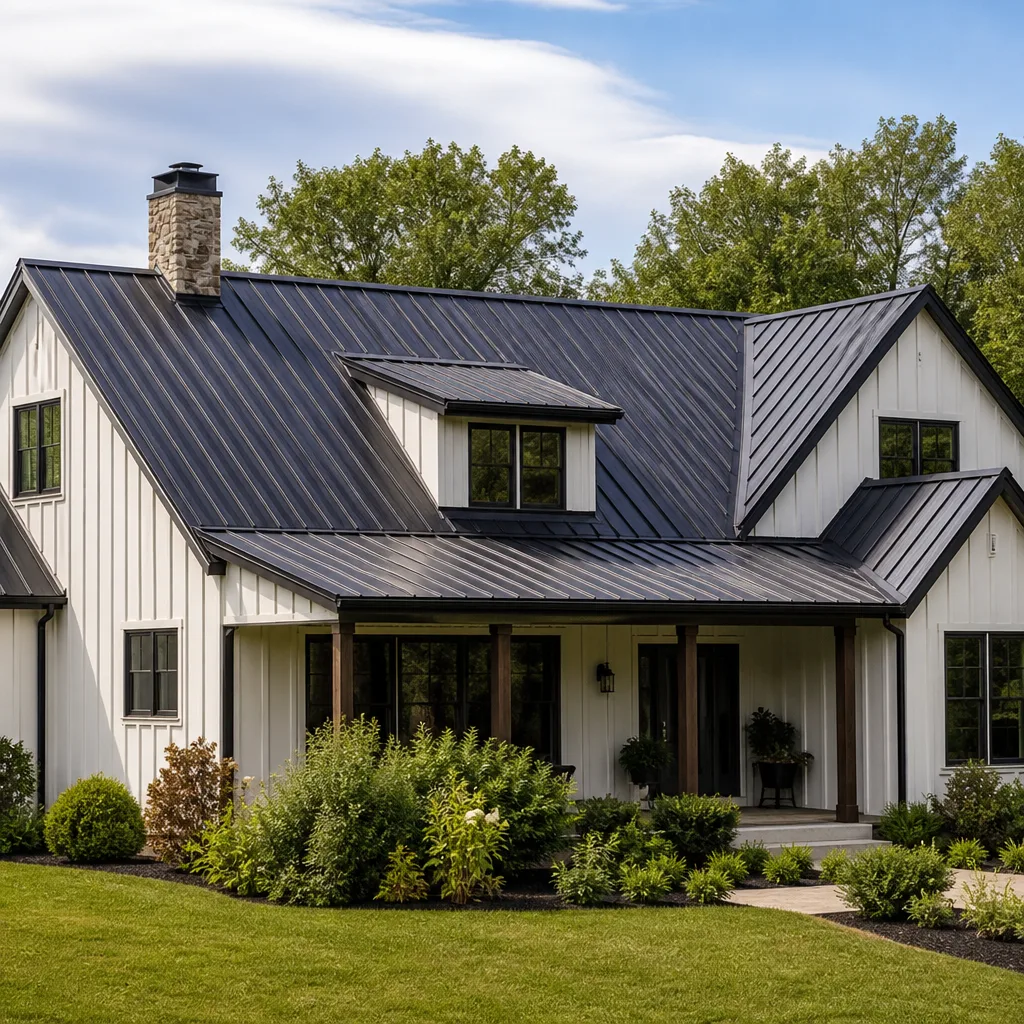 Metal roofing
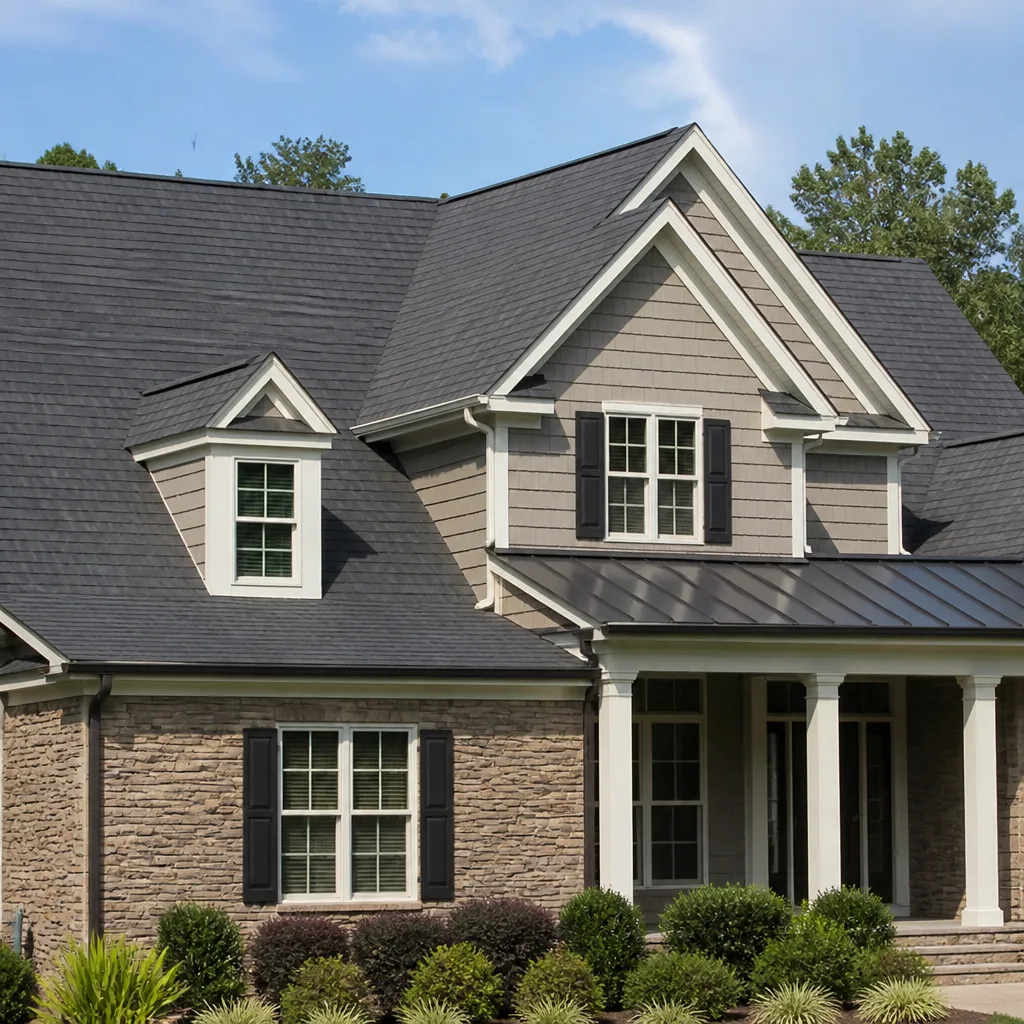 Architectural shingles
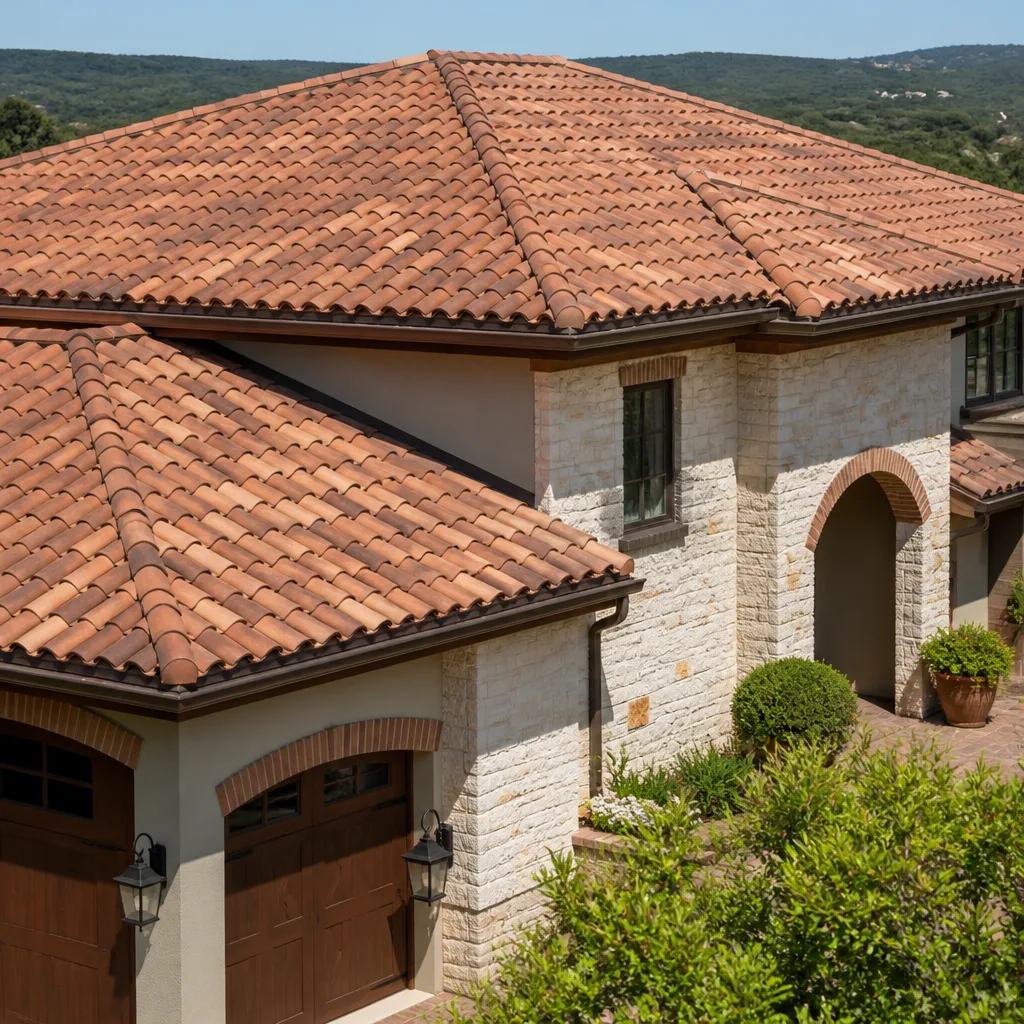 Tile roofing
 GAF
GAF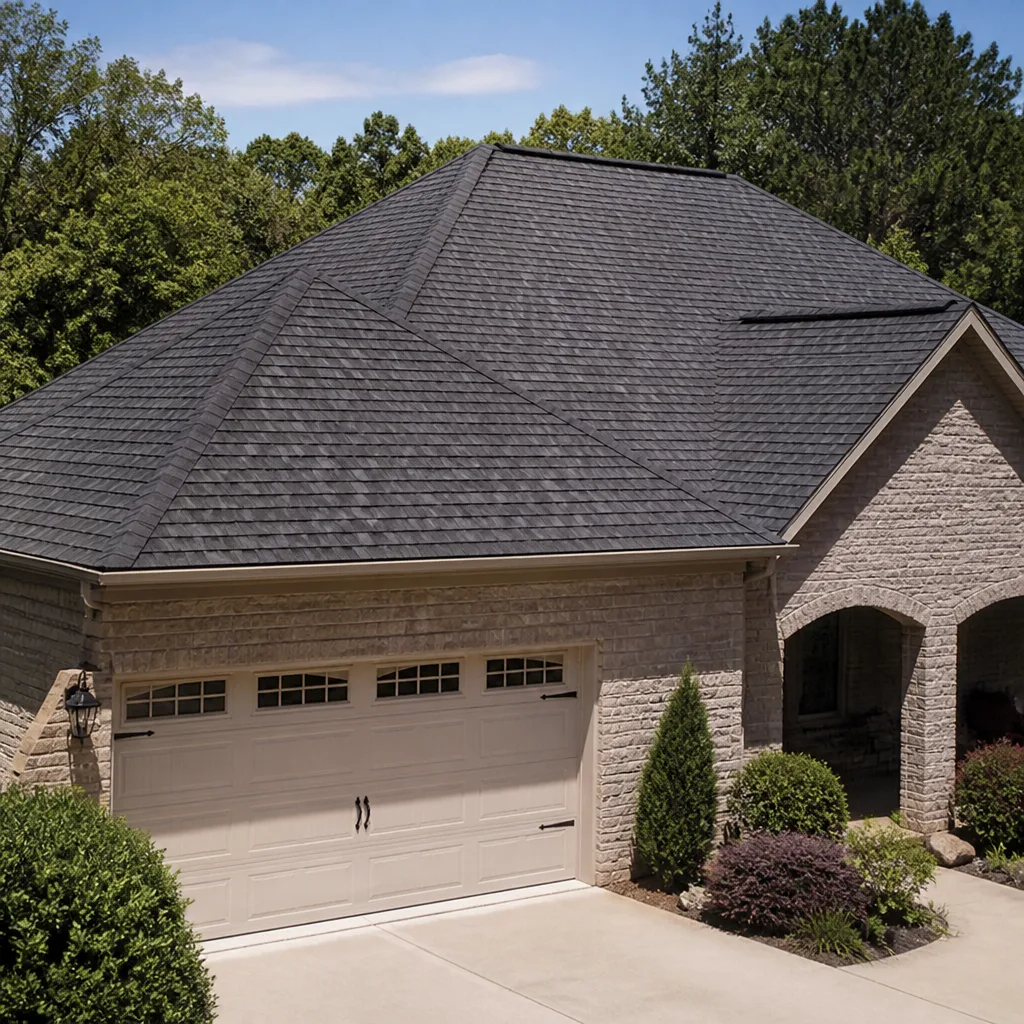 Owens Corning
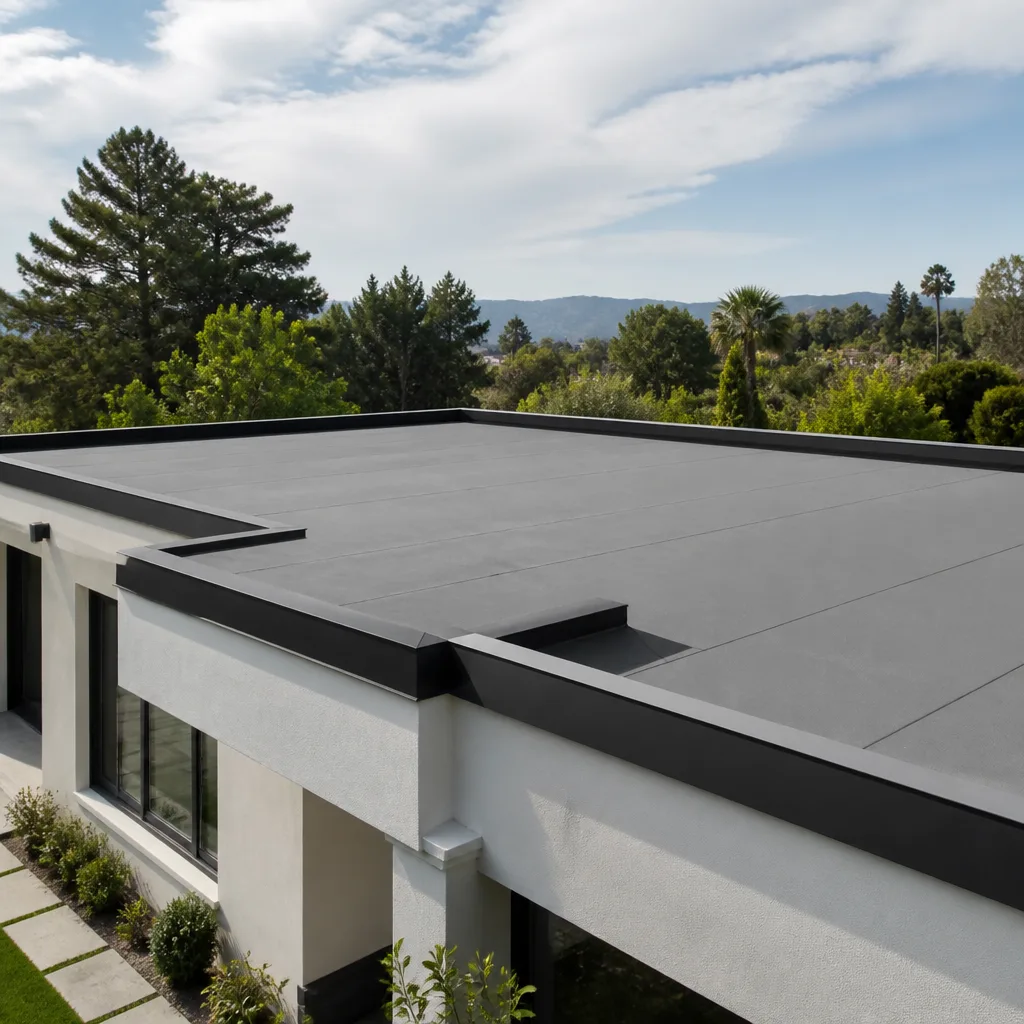 Flat & low-slope
Free roof inspection with deck photos before we talk money - GAF and Owens Corning certified installation
DIY vs Professional Roofing: The Ventura Homeowner’s Decision Guide
A Ventura homeowner can legally replace their own roof, but if they do, they may void the shingle manufacturer’s warranty, trigger a permit requirement they’re not equipped to satisfy, and discover that their homeowner’s insurance won’t cover a future leak because the installation wasn’t done by a licensed contractor. That’s not an argument against DIY. It’s the information you need to make the decision honestly. In this guide, we’ll walk through what Ventura’s permit office actually requires, what the fine print in warranty documents says, what a 2,000-square-foot roof really costs either way, and which small repairs are genuinely safe to handle yourself. For more guides & resources, visit our blog.
Styles & brands we work with
Quick Answer
For most Ventura homeowners, professional roofing is the smarter financial and legal choice: the permit process, manufacturer warranty requirements, and injury risk outweigh the upfront savings on all but the smallest maintenance tasks. DIY makes sense only for minor cosmetic work like re-caulking flashing or replacing one or two cracked tiles. For anything structural, licensed installation protects your warranty, your insurance coverage, and your home’s resale value. If you’re ready to hire, see our How to Hire a Roofing Contractor in Ventura: A Step-by-Step Guide.
Table of Contents
- Ventura Permit Rules for Owner-Builder Roofing Projects
- How Manufacturer Warranty Fine Print Actually Works
- Which Roofing Tasks a Capable DIYer Can Genuinely Handle
- The Real Injury and Liability Risk Zones
- DIY vs Professional: A Real Cost Comparison for Ventura
- The Middle Path: Splitting the Work With a Pro
- Insurance Implications for Unpermitted or DIY Roof Work
- Common Mistakes to Avoid
- When to Call a Professional
- Frequently Asked Questions
- The Bottom Line
Ventura Permit Rules for Owner-Builder Roofing Projects
California allows homeowners to act as their own contractor on their primary residence under what’s called the owner-builder exemption. Ventura enforces this at the city level, and the rules are more involved than most people expect. You can legally re-roof your own house in Ventura, but you have to pull the permit yourself, pass the same inspections a licensed contractor would, and sign a specific disclosure form.
The disclosure form is the part most homeowners never hear about until they’re standing at the permit counter. It states, in writing, that you understand you cannot sell the home within one year of completing the work without disclosing to the buyer that the roof was installed under an owner-builder permit. If you do sell within that year, the buyer gets a written notice that the work was not performed by a licensed contractor. That’s not a deal-killer for every buyer, but it gives a home inspector and a lender a specific reason to scrutinize the roof, and it gives a buyer negotiating leverage.
Step-by-Step: What a Ventura Owner-Builder Roofing Permit Actually Takes
- Confirm your eligibility: You must own and occupy the property as your primary residence. Rental properties, investment homes, and second homes do not qualify for the owner-builder path in Ventura.
- Prepare plans or specifications: For a full re-roof, the city wants to see the roofing material, underlayment type, insulation requirements if applicable, and the project’s square footage. A simple tear-off and re-shingle may need only a basic spec sheet, but anything involving structural repair means engineered drawings.
- File the permit application at the City of Ventura Building & Safety Division. Expect to pay a permit fee based on project valuation, typically ranging from $250 to $600 for a standard residential re-roof in Ventura, plus any plan check fees if drawings need review.
- Sign the Owner-Builder Verification form. This is the disclosure described above. Read it carefully. It also certifies that you understand you’re personally liable for the work and for anyone you hire to help you.
- Schedule inspections. A typical Ventura re-roof needs at minimum an underlayment inspection before shingles go on and a final inspection once the roof is complete. If you miss an inspection or install over un-inspected underlayment, the inspector can require a tear-off.
- Pass the final inspection and retain the sign-off. The final sign-off is what keeps your insurance company satisfied and your future buyer’s lender calm. Lose it, and you’re re-proving the roof’s status years later.
We’ve seen this process take capable homeowners three to six weeks of evenings and weekends from start to sign-off. A licensed crew doing the same job in Ventura typically finishes in two to five days, inspections included.
If you’re weighing the full scope of work involved in a replacement, our Roof Replacement in Ventura guide covers timelines, material options, and what a written scope of work should include before you sign anything.
How Manufacturer Warranty Fine Print Actually Works
Here’s the part that surprises most Ventura homeowners: the shingle manufacturer’s warranty is not just about the product. It’s about who installs it and how. Read the fine print on a GAF, CertainTeed, Owens Corning, or Tamko warranty and you’ll find language that conditions coverage on installation by a licensed contractor. When you install the shingles yourself, you’re not buying a warranty, you’re buying shingles with a limited material-only defect guarantee that’s far narrower.
A GAF System Plus or Golden Pledge warranty, for example, explicitly requires installation by a GAF-certified contractor. CertainTeed’s SureStart Plus and SureStart Plus 5-Star warranties carry similar language. Tamko’s ProLine limited warranty covers manufacturing defects but excludes installation errors, and when there’s no contractor to attribute the installation to, the homeowner becomes the installer in the eyes of the manufacturer. If the roof fails, the claim process starts with the question of who installed it. A DIY answer often ends the conversation.
What “Contractor-Installed” Actually Means in These Warranties
- Coverage length: Many enhanced warranties jump from a 10-year material-only period to 30, 40, or 50 years when a certified contractor installs the system. The difference isn’t minor.
- Labor coverage: Material-only warranties cover the shingle, not the labor to tear off and replace it. Contractor-backed warranties often include labor for the first several years or the life of the coverage period.
- Wind coverage: In coastal Ventura, wind ratings matter. Enhanced warranties from GAF and CertainTeed raise wind coverage limits and remove certain exclusions. The standard DIY material warranty caps wind coverage well below what a Ventura ridgeline home can experience in a Santa Ana event.
- System coverage: Many contractor-installed warranties cover more than shingles: underlayment, ridge cap, starter strip, and ventilation components. Material-only warranties do not.
If you’re planning a Roof Installation in Ventura rather than a repair, the warranty difference alone can be worth thousands of dollars over the roof’s life, and it’s a core part of the decision math.
Which Roofing Tasks a Capable DIYer Can Genuinely Handle
Not everything should be handed to a contractor. There’s a short list of legitimate DIY roofing work in Ventura that we tell homeowners is fine to tackle themselves, provided they own the right ladder, work with a second person on the ground, and stay within their physical limits. Our Roof Repair Maintenance Checklist for Ventura Homeowners covers what to inspect and when.
Legitimately DIY-Friendly Tasks
- Re-caulking exposed flashing: The metal strips that seal joints around chimneys, vents, and skylights are called flashing, and the sealant around them degrades under Ventura’s sun and salt air. Scraping old caulk and applying fresh roofing sealant is low-risk, high-value work.
- Replacing one or two cracked tiles on a tile roof: If your Ventura home has concrete or clay tile, a single cracked tile is a simple swap. Lift the tiles above, slide out the broken one, set the replacement in place. No permit needed for isolated tile replacement.
- Clearing debris from valleys and gutters: Ventura’s coastal breezes drop leaves and grit into roof valleys. Keeping them clear prevents water backup. This is maintenance, not roofing, and it matters.
- Replacing a damaged pipe boot collar: The rubber collar around vent pipes cracks after a decade of Ventura sun and needs replacing. It’s a $15 part and a 20-minute job if you’re comfortable on a ladder.
- Sealing minor nail pops: When a roofing nail backs out, a small dab of sealant and a reset nail is a legitimate DIY fix.
The common thread: these are all surface-level tasks that don’t touch the underlayment, don’t open the roof deck, and don’t trigger a Ventura permit requirement. If you’re up there and you see granule loss, sagging decking, or water staining on the underside of the sheathing, that’s not DIY territory anymore.
The Real Injury and Liability Risk Zones
Roofing injury statistics are blunt. Falls from roofs account for a significant share of construction fatalities every year, and the majority happen on residential jobs under 20 feet. A 2,000-square-foot single-story Ventura home puts you anywhere from 10 to 18 feet off the ground. That’s high enough to be fatal if you land wrong.
Beyond falls, the specific dangers on a Ventura roof include:
- Tear-off work: Stripping old shingles means working on a steep, debris-laden surface, often in direct sun. Ventura summer rooftop temps easily exceed 120 degrees. Heat exhaustion and slip accidents spike on tear-off jobs.
- Tile roof walking: Clay and concrete tile crack under foot traffic if you step in the wrong place. One wrong step damages material and can send you through. Walking a tile roof without understanding load distribution is how amateurs break more tiles than they fix.
- Power tool use at height: Air nailers, circular saws, and chalk lines all require two hands. At height, losing your balance while using both hands means you fall. Professional crews use harnesses and fall arrest systems enforced by OSHA rules.
- Liability exposure for helpers: If you ask a friend, neighbor, or day laborer to help you re-roof and they fall, you’re personally liable. Your homeowner’s insurance may not cover an injury to an unlicensed worker on an owner-builder permit job. That exposure runs to the limits of your personal assets.
None of this is to say a careful person can’t do minor work safely. But the risk profile of a full re-roof is materially different from replacing a pipe boot collar, and it deserves to be weighed honestly.
DIY vs Professional: A Real Cost Comparison for Ventura
Let’s put numbers on a standard 2,000-square-foot vented asphalt shingle roof in Ventura, the most common roof type on single-family homes built between the 1960s and early 2000s across the East End, Midtown, and the College area. For a deeper dive, see our Roofing Cost Breakdown: The Ventura Homeowner’s Reference for 2026.
DIY Material-Only Cost (2,000 sq ft, Ventura Pricing)
| Line Item | Typical Cost Range |
|---|---|
| Architectural asphalt shingles (GAF Timberline HDZ or similar) | $2,600 – $3,400 |
| Synthetic underlayment | $350 – $500 |
| Ice and water shield (required at eaves in high-wind areas) | $250 – $400 |
| Drip edge, ridge cap, starter strip, vents | $500 – $800 |
| Fasteners, sealant, misc. fasteners | $150 – $300 |
| Dumpster rental or trailer disposal fees at Ventura transfer station | $450 – $800 |
| Tool rental (air compressor, nail guns, ladders, safety harness) | $300 – $600 per week |
| City of Ventura permit fee | $250 – $600 |
| Total DIY | $4,850 – $7,400 |
Professional Installed Cost (Same Roof, Ventura Market)
| Line Item | Typical Cost Range |
|---|---|
| Professional installation with all materials, disposal, and permit submittal | $12,000 – $18,000 |
| Manufacturer-backed warranty (labor + materials coverage) | Included |
| Workmanship warranty | Typically 5-10 years |
| Time to completion | 2-5 days |
The raw gap looks like $7,000 to $10,000 in savings. But the honest comparison includes the cost of your time. A first-time DIY re-roof on a 2,000-square-foot Ventura home typically takes three to six weekends, assuming good weather the whole time. Ventura’s marine layer burns off by mid-morning most days, but the rainy season runs November through March, and working around those wet days extends the timeline. If you value your weekends at even $25 an hour, the time cost alone narrows the gap by thousands.
Then subtract the warranty value. A manufacturer-backed system warranty on a professional install can add 20 to 30 years of coverage. Prorated, that’s real money if a windstorm lifts shingles on your Ventura hillside street ten years from now.
For a deeper breakdown on what a replacement should cost, see our Roof Repair in Ventura pricing overview, which covers repair-tier economics separately from full replacements.
The Middle Path: Splitting the Work With a Pro
Most Ventura homeowners land somewhere between “I’ll do it all myself” and “I’ll pay for everything.” The smart middle path is to hire a licensed contractor for the permit-required, warranty-critical structural work, and handle the cosmetic maintenance yourself.
Here’s what that looks like in practice:
- Get a professional to handle the tear-off, underlayment, flashing, and shingle installation. This is the work that triggers the Ventura permit, impacts the warranty, and carries the highest injury risk. It’s also the work that needs to be coordinated with inspections. This is not where you save money.
- Take over the maintenance calendar once the roof is installed. Sealing minor flashing gaps, clearing valleys, swapping a cracked tile, and keeping gutters clean are all within reach and don’t affect the warranty as long as you’re not modifying the installed system.
- Ask for the scope of work in writing before the job starts. Before any contractor sets foot on your roof, get a written scope that specifically separates what they’re doing from what you plan to handle yourself. A written scope keeps both sides honest and gives you a document to point to if anything drifts.
This split approach preserves the warranty, keeps the permit clean, eliminates the riskiest work from your plate, and still lets you save money on the small stuff. If you’re hiring for part of the job, talk through your plan with the contractor up front. The good ones will tell you exactly what they recommend you not touch, and they’ll explain why in plain English.
At Crestview Roofing Co Ventura, we’ve been writing scopes this way in Ventura since 2000, and the practice came directly from homeowner requests for more transparency. If you’re looking at a partial job, our Crestview Roofing Co Ventura home page explains how we break quotes down line by line.
Insurance Implications for Unpermitted or DIY Roof Work
This is the section most roofing guides skip, and it’s the one that matters most if you ever file a claim. Here’s how it works in Ventura.
Homeowner’s insurance policies in California typically contain language requiring the homeowner to maintain the home and perform repairs in a workmanlike manner. If a roof leak occurs and the insurance adjuster determines the cause was a workmanship defect from an unpermitted DIY installation, the claim can be denied. Not reduced. Denied. And once a claim is denied for workmanship, you’re not just paying for the repair out of pocket, you’re dealing with a claim denial on your record that can affect future premiums.
Beyond that, if you sell the home and the seller’s disclosure reveals the roof was owner-built without a permit, a buyer’s lender can require a roof certification before funding. That certification, when it’s available at all for an unpermitted roof, typically costs $500 to $1,500 and still doesn’t restore the manufacturer’s warranty.
The simplest way to protect against all of this is to keep the structural work permitted and contractor-installed. If you do DIY work, keep it cosmetic, document it with photos, and keep every receipt. That record won’t fix a denied claim, but it’ll help if a buyer asks questions down the road.
Common Mistakes to Avoid
- Assuming the manufacturer warranty doesn’t care who installs the roof. It does. The fine print matters more than the marketing language on the shingle wrapper, and the fine print is specific about licensed installation for enhanced coverage.
- Skipping the Ventura permit on a “simple” tear-off. A tear-off and re-shingle is not exempt from permitting because it feels simple. Unpermitted work compounds into a problem at resale and can trigger a stop-work order if the city finds out mid-project.
- Budgeting materials but not disposal, fasteners, or tools. First-time DIYers consistently underestimate the non-shingle line items. The dumpster alone often runs $450 to $800 at Ventura’s transfer station rates, and that’s before you rent the compressor and buy a harness.
- Underestimating the time cost on a Ventura timeline. Between the marine layer extending morning dew and the rainy season shutting down work for days at a time, a DIY re-roof in Ventura can stretch months longer than the same project inland.
- Working alone on a roof, even for “small” tasks. A fall off a single-story Ventura home is a life-altering injury. If you’re up there, have someone on the ground who can see you and reach you, and tell them when you’re coming down.
- Not documenting DIY work. Photos, receipts, and a simple log of what you did and when. If a buyer or insurer asks questions later, that record is your only answer.
- Assuming insurance covers any roof problem. Workmanship issues are not covered perils. If your DIY install leaks, the insurance company’s first question will be who installed the roof.
When to Call a Professional
Any of these scenarios means it’s time to pick up the phone rather than pick up a nail gun: a roof leak that’s active during rain, visible sagging or soft decking when you walk the roof, widespread granule loss revealing dark patches, missing or lifting shingles across a large area, any work involving the roof structure itself, or anything you’re not 100% certain you can finish at the same quality you’d expect from a pro.
We’ve been answering these calls in Ventura since 2000, and the homeowners who call early always come out ahead of the ones who try to extend a failing roof another season. Our team at Crestview Roofing Co Ventura offers free estimates, and we’ll give you a written scope of work before any job starts. Call (559) 249-4917 to schedule a free estimate.
Frequently Asked Questions
A 2,000-square-foot DIY re-roof in Ventura typically costs $4,850 to $7,400 in materials, permits, disposal, and tool rental, while a professional install on the same roof runs $12,000 to $18,000 with a manufacturer-backed warranty included. The DIY path saves money up front but forfeits warranty coverage and typically takes three to six weekends of your time. Call (559) 249-4917 for an exact quote on your roof, free.
Yes, California’s owner-builder exemption allows you to re-roof your own primary residence in Ventura, but you must pull a city permit, pass inspections, and sign the Owner-Builder Verification form acknowledging you can’t sell within one year without disclosing the unlicensed installation to the buyer. Rental and investment properties do not qualify for the owner-builder path.
It may not. If the leak is traced to a workmanship defect on an unpermitted DIY installation, your insurer can deny the claim on the basis that the work wasn’t performed in a workmanlike manner. Document everything you do, and keep structural work permitted and contractor-installed to protect your coverage.
Re-caulking exposed flashing, replacing one or two cracked tiles, clearing debris from valleys and gutters, replacing a pipe boot collar, and sealing minor nail pops are all within reach for a careful DIYer. Anything that opens the roof deck, touches the underlayment, or requires a permit should go to a licensed contractor.
Yes, for enhanced coverage. GAF, CertainTeed, Owens Corning, and Tamko all condition their extended warranties on installation by a licensed, often factory-certified contractor. A DIY install leaves you with a limited material-only warranty that’s far narrower and shorter.
A professional crew typically completes a 2,000-square-foot re-roof in Ventura in two to five days including inspections. A first-time DIYer working weekends can expect the same project to take three to six weeks, stretched further by Ventura’s rainy season from November through March.
Ready to cut through the guesswork? Call (559) 249-4917 for a free estimate, or read up on our Roof Replacement in Ventura process to see how we handle the full scope from permit to final photo documentation.
The Bottom Line
DIY roofing in Ventura is legal, possible, and occasionally reasonable, but only in a narrow band of cosmetic maintenance work. The moment the project involves permits, structural work, or anything that would trigger a manufacturer warranty claim, the math shifts decisively toward hiring a licensed contractor. The savings on a full DIY re-roof look real on paper until you subtract your time, your warranty coverage, and the insurance exposure. The smartest homeowners do the small stuff themselves, get the structural work in writing from a pro, and keep every document the city gives them.
Written by Dylan Pace, Owner at Crestview Roofing Co Ventura, serving Ventura since 2000.
See the difference
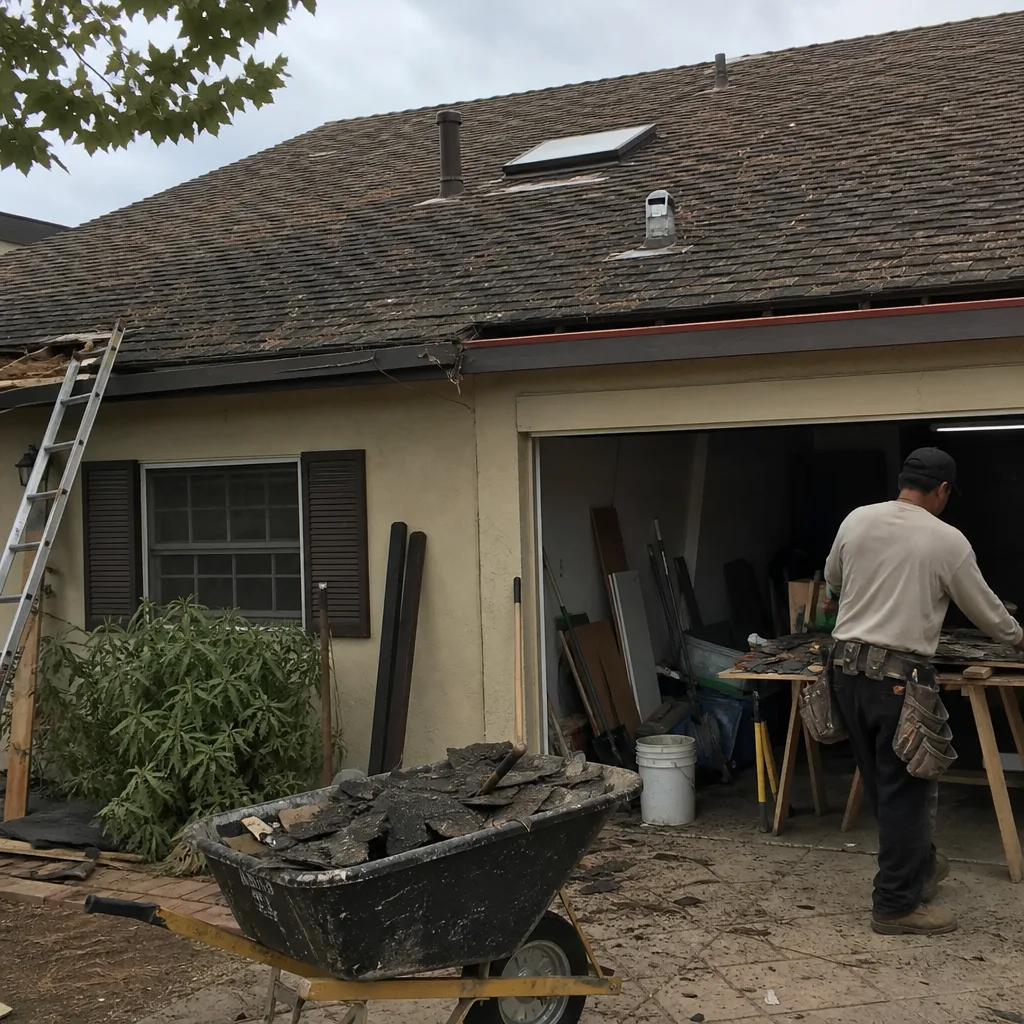 Before
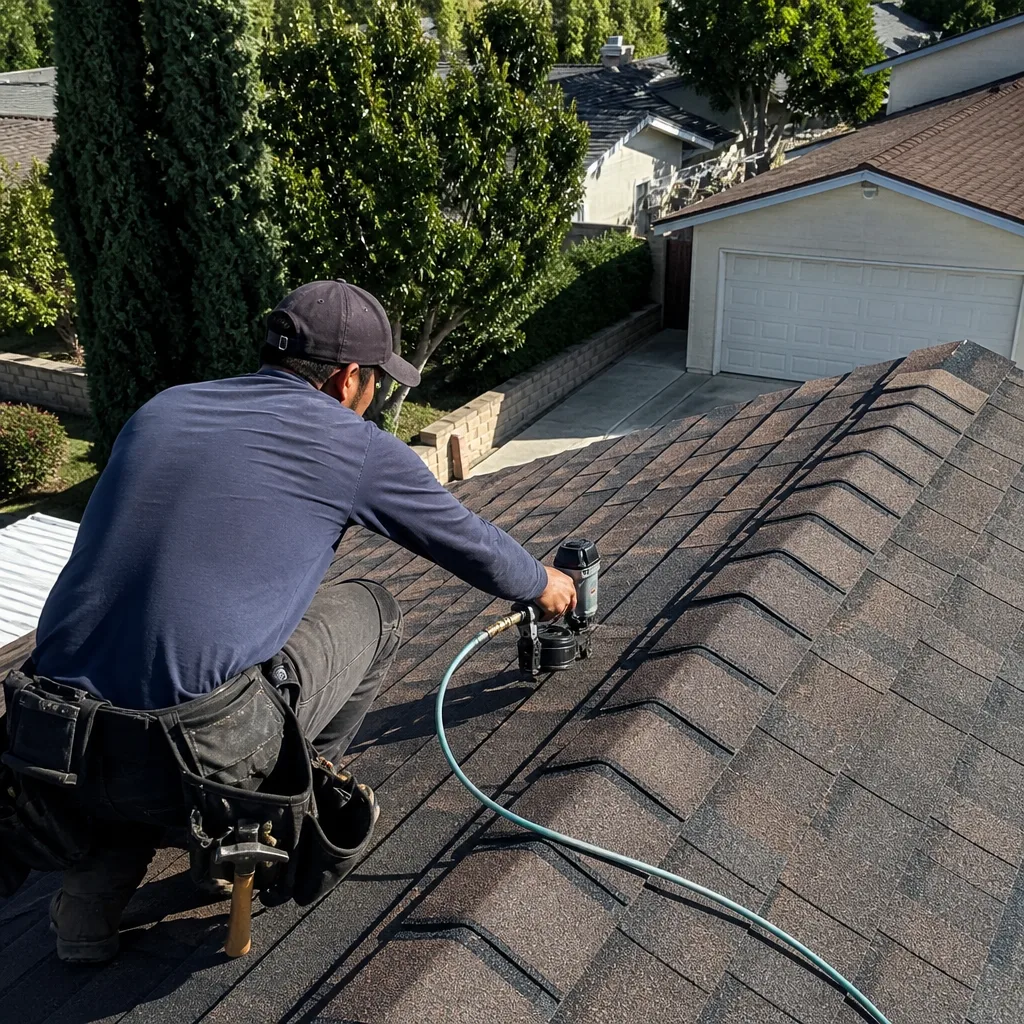 After
After Before
 After
After Before
 After
After